What is the Water Level of Bursa Dam?

Bursa Dam is an important water source built to meet the water needs of Bursa province. The water level of this dam is of great importance for water management and agricultural activities in the region. The water level is defined as the ratio of the current water level of the dam to its total capacity. This ratio is influenced by both climatic conditions and water consumption in the area. Therefore, the water level of Bursa Dam is a critical indicator for the efficient management of water resources.
The water level of Bursa Dam can vary each year. Especially in the summer months, a decrease in the water level may occur due to increased irrigation needs. Additionally, the rains and snowmelt during the winter months can increase the dam's water level. For this reason, monitoring the water level is essential for both local authorities and farmers to make planning possible. The status of the dam's water level also plays a significant role in the quality and usage of water.
- The water level of Bursa Dam is a critical parameter in the management of water resources.
- The water level may decrease due to irrigation needs in the summer months.
- Rainfall in the winter months can increase the dam's water level.
- Monitoring the water level is important for agricultural planning.
The water level is vital not only for agriculture but also for meeting the water needs of residential areas. The growing population of Bursa province increases the demand for water resources. In this context, the water level of Bursa Dam has become an important issue for the local community as well. Therefore, regularly updating and announcing the water level allows for more efficient use of water resources. This situation plays a significant role in meeting Bursa's future water needs.
How is the Water Level Measured at Bursa Dam?
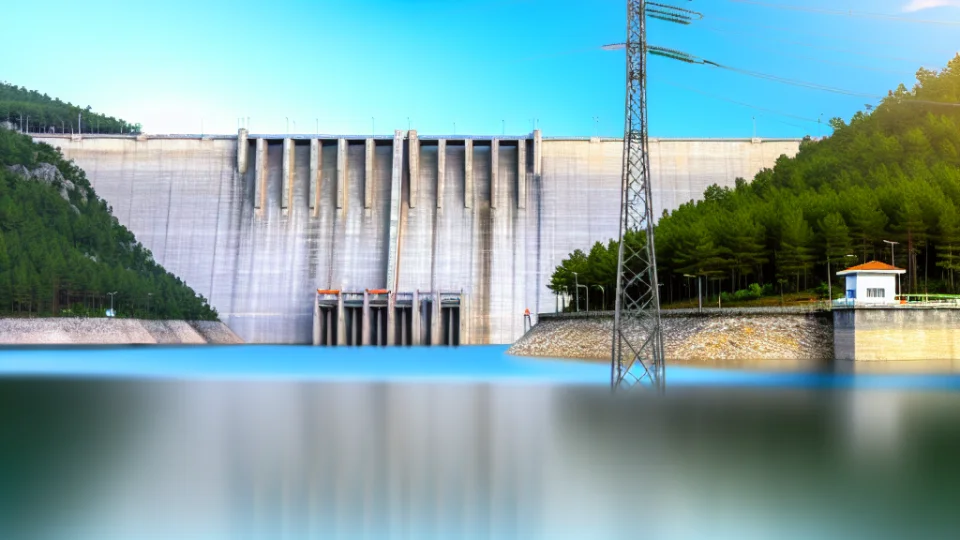
The water level at Bursa Dam is an important parameter that indicates how much of the dam's water capacity is filled. This level is measured using various methods. First, the water level of the dam needs to be measured. This process is carried out by recording the water level at regular intervals. The height of the water level is one of the fundamental factors affecting the fill rate, and this value is compared to the total capacity of the dam to calculate the fill rate.
In addition to the water level, the capacity of the dam also plays a critical role in calculating the fill rate. The total water capacity of the dam has been determined since its construction and this value has been established through engineering calculations. Changes that may occur in the physical structure of the dam can affect this capacity. Therefore, when calculating the fill rate, it is important to consider not only the current water level but also the total capacity of the dam.
Moreover, various technological tools are also used to determine the fill rate. For example, sensors that measure the water level of the dam help in determining the fill rate by collecting real-time data. These sensors monitor changes in the water level in real-time, and this data is collected and analyzed in a central system. This way, the fill rate can be updated regularly, allowing for quick intervention when necessary.
Finally, meteorological data should also be taken into account when calculating the fill rate. Factors such as rainfall, evaporation rates, and water consumption levels directly affect the fill rate of the dam. Therefore, environmental conditions and climate data are crucial for accurately measuring and interpreting the fill rate. Thus, the management of water resources at Bursa Dam can be carried out more effectively.
How Important is the Water Level of Bursa Dam?
The water level of Bursa Dam is of great importance for both the local ecosystem and human life. This dam not only meets the water needs of Bursa but also supports agricultural activities in the region. Especially during the summer months, a drop in water levels can lead to irrigation problems in agricultural areas. Therefore, the dam's fill rate is considered a critical indicator for the management of water resources.
In addition, the water level of Bursa Dam plays an important role in energy production in the region. When the dam is used for hydroelectric energy production, it is necessary to maintain the water level at a certain point. Low water levels can negatively affect energy production capacity, which may lead to an increase in energy prices. Thus, the water level of the dam is a critical element for both economic and environmental sustainability.
Moreover, the water level of Bursa Dam also impacts the local wildlife. Regular monitoring of the water level is important for preserving local biodiversity. Low water levels can disrupt the balance of aquatic ecosystems and threaten the habitats of many species. Therefore, the water level of the dam should also be considered as part of environmental protection policies.
In conclusion, the water level of Bursa Dam is of great importance not only for water supply but also for energy production, agriculture, and environmental protection. Therefore, regularly monitoring the dam's fill rate has become a vital necessity for the local population. The conscious steps taken by local authorities in this regard play a critical role in preserving both human life and natural balance.
Change in the Water Level of Bursa Dam in 2023
The year 2023 has been a period of significant changes in water levels for the Bursa Dam. Particularly during the summer months, the drought experienced across Turkey has directly affected the water level of the Bursa Dam. Compared to the same period last year, a noticeable decrease in water levels has been observed this year. Monitoring the water level of the Bursa Dam is critically important for both drinking water supply and agricultural irrigation. Therefore, there is a need to increase efforts for the management and conservation of water.
At the beginning of 2023, the water level of the Bursa Dam was around 70%, but by the summer period, this rate has dropped to about 50%. The main reasons for this decline include climate change and the lack of rainfall. Additionally, the irrigation needs of agricultural areas surrounding the dam have also contributed to the decrease in water levels. This situation necessitates local governments to enhance their water conservation and conscious usage campaigns.
The change in the water level of the Bursa Dam not only affects water supply but also has impacts on the local ecosystem. The drop in water levels can threaten natural life and reduce the habitats of species dependent on water. Therefore, monitoring and reporting the changes in water levels throughout this year is of great importance for maintaining the environmental balance in the region. Experts emphasize the need to develop sustainable water management strategies, taking this situation into account.
In conclusion, the changes in the water level of the Bursa Dam in 2023 have been influenced by many factors. These changes affect both human life and natural balance. Local governments and the public should become more aware of the conservation of water resources and take necessary steps in this regard. To prevent such issues in the coming years, training should be organized on water conservation and environmental awareness.
What Are the Water Usage Areas of the Bursa Dam?
The Bursa Dam plays a significant role in meeting the region's water needs. This dam serves as a critical resource for both drinking water supply and agricultural irrigation. Considering Bursa's rapidly growing population and industrial demands, the water provided by this dam directly affects the quality of life in the city. Additionally, the water from the Bursa Dam is directed to industrial facilities in the city, where it is used in industrial processes. Thus, the dam's water is vital not only for individual needs but also for economic development.
The agricultural sector is another important area of water usage from the Bursa Dam. Especially during the summer months, the need for agricultural irrigation increases, and the dam's water provides a significant advantage to farmers. Vegetable and fruit production in Bursa's fertile agricultural lands is made possible through these irrigation systems. In this way, the dam water enhances agricultural productivity and contributes to the economic situation of farmers. This situation is also critical for food security in the region.
The Bursa Dam is also used in recreational areas. The natural beauty surrounding the dam, along with picnic areas and walking paths, has become an attraction for both locals and tourists. The dam lake offers a suitable environment for activities such as water sports and fishing. These types of activities enrich social life while also contributing to the local economy. This situation, which enhances Bursa's tourism potential, showcases the versatile use of the dam.
Finally, the water from the Bursa Dam is also important for environmental sustainability. While the dam helps provide the necessary water for ecosystem balance, it also contributes to the preservation of natural habitats. The effective and sustainable use of water resources is crucial for protecting wildlife and reducing environmental issues. In this context, the water usage areas of the Bursa Dam serve not only humans but also nature.
Economic Effects of the Bursa Dam's Water Level
The water level of the Bursa Dam is an important factor that directly affects the economic structure of the region. The management of water resources has a significant impact on agriculture, industry, and energy production. Particularly, agricultural irrigation plays a crucial role in Bursa's economy. When the water level in the dam decreases, it becomes challenging to irrigate agricultural lands, negatively affecting farmers' production capacity. Therefore, changes in the water level can also influence the costs of agricultural products and consequently food prices.
Moreover, the water level of the Bursa Dam is critical for energy production as well. The dam is one of the water sources used for hydroelectric energy generation. A decrease in water levels can reduce energy production capacity, which may lead to an increase in electricity prices. High electricity costs raise the expenses for industrial enterprises, resulting in higher product prices. Thus, the economic effects of the water level are not limited to agriculture and energy, but can also impact overall economic stability.
The water level of the Bursa Dam can also have an impact on the tourism sector. Sufficient water levels encourage nature tourism in the region. Activities such as water sports and hiking can increase tourism revenues in the area. The natural beauty of the dam region attracts both domestic and foreign tourists. However, when the water level drops, such tourist activities may decline. This situation can create a negative impact on hotels, restaurants, and other businesses in the region.
In conclusion, the water level of the Bursa Dam plays a significant role in the economic dynamism of the region. This situation is a critical factor for both agricultural and energy production. Additionally, it creates indirect effects in other economic areas such as the tourism sector. Therefore, regularly monitoring and managing the dam's water level is of great importance for the economic sustainability of Bursa. The effective use of water resources is vital for future economic stability.
The Future of Bursa Dam and Water Management Strategies
Bursa Dam plays a critical role in meeting the water needs of the region. Therefore, it is essential to focus intensively on the future of the dam and its water management strategies. Sustainable management of water resources is vital not only for Bursa but also for the water security of surrounding settlements. Water management strategies should be determined by considering factors such as climate change, population growth, and agricultural irrigation needs.
The water management strategies to be implemented for the future of Bursa Dam should aim to enhance water conservation and efficiency. In this context, the usage areas of water, including agriculture, industry, and drinking water needs, should be prioritized. Modern irrigation techniques to be applied for agricultural irrigation will help in utilizing water more effectively, thus maintaining the dam's reservoir levels. Additionally, integrating recycling systems in industrial facilities will reduce water consumption.
Moreover, creating community awareness is also important for the sustainability of Bursa Dam. Raising awareness among the local population about water conservation is a critical step for the future of the dam. Educational programs and campaigns organized in schools can play an effective role in preventing unnecessary water consumption, thus helping to maintain the dam's reservoir levels. Furthermore, awareness campaigns conducted through social media and other communication channels will reach a wider audience.
Finally, it is necessary to continuously review and update the existing water management strategies for the future of Bursa Dam. Unforeseen circumstances such as climate change and natural disasters are significant factors that will affect water management plans. Therefore, flexibility and adaptability should be among the cornerstones of water management strategies. By collaborating with relevant institutions and experts, it is possible to secure the future of Bursa Dam.