How Do Foreigners Approach Religious Practices in Turkey?

Turkey is a country that is quite intriguing in terms of religious diversity, along with its historical and cultural richness. The religious practices that foreigners encounter when they come to Turkey often provide a shocking yet fascinating experience. Especially in Turkey, where Islam plays a significant role in daily life, foreigners develop a different perspective towards elements such as mosque visits, prayer times, and religious holidays. This situation not only increases their interest in Turkey but also helps them understand the social fabric of the country.
Foreigners' approach to religious practices in Turkey is generally shaped within a respectful framework. Many foreign tourists pay attention to dressing rules before entering mosques, showing respect for the beliefs of the people there. Particularly, the wearing of headscarves by women or dressing appropriately stands out as an important issue in religious places in Turkey. When this attitude of respect combines with Turkey's tolerant social structure, it offers a more inclusive environment for foreigners.
However, some foreigners may struggle to understand the religious practices in Turkey. For example, topics such as prayer times and their impact on daily life can present a complex structure for foreigners. The intensity of religious practices in Turkey may lead some foreigners to find this situation strange. Nevertheless, many foreigners realize that these practices are actually a cultural richness when they visit Turkey, and they enjoy experiencing it.
Finally, the interest that foreigners have in religious practices in Turkey is also reflected in the field of religious tourism. Many foreigners wish to benefit from this cultural experience by visiting the historical mosques, sacred sites, and religious festivals in Turkey. This not only contributes to the local economy but also allows foreigners to better understand Turkey's rich religious culture. The religious structure of Turkey offers foreigners not just a point of visit, but also an experience that provides opportunities for learning and sharing.
What is the Impact of Religious Beliefs on Turkish Culture?

Turkey is a country that has hosted many different cultures and belief systems throughout its history. This diversity has shaped Turkey's social structure and cultural dynamics. Religious beliefs play a decisive role in individuals' daily lives, social relationships, and even economic activities. Although Islam is the most widespread religion in Turkey, other beliefs such as Christianity and Judaism also have a historical presence. This situation enhances Turkey's religious diversity and cultural richness.
The impact of religious beliefs on Turkish culture manifests itself not only at the individual level but also at the societal level. For example, holidays and religious days strengthen social relationships while also allowing local traditions to be preserved. Religious beliefs influence family structure, social norms, and values, affecting individuals' participation in social life. This interaction forms the dynamics of the social fabric in Turkey and plays an important role in the preservation of cultural heritage.
The cultural effects of religious beliefs in Turkey are also evident in art and literature. Religious themes are frequently explored in literary works, music, and visual arts. This situation shapes Turkey's artistic identity while also enriching its cultural heritage. Additionally, religious beliefs emerge as an important element in the design of architectural structures. Mosques, churches, and other places of worship are among the significant examples reflecting Turkey's rich cultural structure.
In conclusion, the impact of religious beliefs on Turkish culture is profound and multifaceted. These effects can be seen across a wide spectrum, from social structure to art. Religious beliefs play a critical role in shaping individuals' identities and strengthening social solidarity, while also enhancing Turkey's cultural richness. In this context, Turkey's religious beliefs and their contributions to culture offer an important area of exploration for both locals and foreigners.
What Are the Religious Ceremonies in Turkey for Foreigners?

Turkey is a country known for its rich cultural and religious diversity. This diversity offers many religious ceremonies and events that foreigners can participate in while in Turkey. For instance, celebrations held during significant religious days such as Ramadan Feast and Sacrifice Feast provide intriguing experiences for both local and foreign tourists. During these festivals, the traditional clothing, foods, and social interactions of the local people give foreigners the opportunity to get acquainted with Turkey's religious culture. Additionally, these events offer a unique chance to observe the impact of religious beliefs on society.
Moreover, the whirling dervish ceremonies held in Turkey are particularly captivating experiences for foreigners. Sema, a tradition of the Mevlevi order, is a mystical ritual performed through a combination of music and dance. Foreigners experience both historical and cultural moments by watching these ceremonies. Whirling dervish ceremonies are typically organized in Konya or at cultural events in major cities. These events provide visitors with an in-depth look into Turkey's spiritual world, combined with the visual appeal of religious rituals.
Foreigners also have the opportunity to closely experience the religious atmosphere through visits to mosques in Turkey. The historically and architecturally impressive mosques serve as places of worship as well as tourist attractions. Structures like the Sultan Ahmed Mosque and Hagia Sophia particularly attract the interest of foreigners. The prayers and worship conducted in mosques give visitors a sense of being part of the religious culture. Additionally, guided tours during mosque visits provide deep insights into religious beliefs and history.
How is Religious Tolerance and Diversity Achieved in Turkey?
Historically, Turkey has been a country where different religions and cultures coexist. This situation has been a significant factor in ensuring religious tolerance and diversity. Turkey is a geography where different beliefs, such as Christianity and Judaism, exist alongside Islam. The followers of these religions have lived together throughout history, creating a rich social structure as a result of cultural interactions. Today, this diversity allows for the free expression of religious beliefs and practices.
In ensuring religious tolerance, Turkey's social structure and cultural values play a major role. The Turkish society is traditionally hospitable and tolerant. This characteristic facilitates the coexistence of individuals with different beliefs. Additionally, the acceptance of religious differences in Turkey and the view of these differences as a richness have been effective in establishing social peace and harmony. This situation is supported by education and social projects.
Various seminars, workshops, and meetings are organized to enhance religious tolerance in Turkey. These events provide an important platform for understanding and accepting religious diversity within society. Furthermore, with the contributions of religious leaders and non-governmental organizations, dialogue between different faith groups is encouraged. Such initiatives allow different segments of society to come together to get to know and understand each other.
In conclusion, religious tolerance and diversity in Turkey are the results of cultural and social dynamics. This tolerance manifests not only among individuals but also throughout the entire social structure. Individuals with different beliefs create a rich cultural heritage by living together, and this heritage contributes to Turkey's recognition on the international stage. Religious diversity is an important element that strengthens Turkey's unity.
What Are the Effects of Religious Beliefs on Social Life?

Religious beliefs are significant elements that greatly shape individuals' lifestyles and social interactions. In a multi-religious country like Turkey, religious beliefs play a decisive role in many areas of social life. These beliefs influence people's values, moral understandings, and social norms, regulating relationships within society. Religious rituals and practices reinforce individuals' social identities and enhance social solidarity. In this context, the impact of beliefs is felt not only on individuals but also distinctly on family structures and social relationships.
Another important effect of religious beliefs is their ability to strengthen the sense of social solidarity. In Turkey, many people come together during events such as religious holidays and ceremonies, reinforcing the feeling of unity and togetherness. These types of events not only allow individuals to practice their faith but also deepen social relationships. People strengthen their feelings of mutual assistance and solidarity by gathering at such events. This situation contributes to the strengthening of social bonds and the establishment of social harmony.
Religious beliefs also play a significant role in individuals' daily lives. For example, the incorporation of practices such as prayer into daily routines can affect individuals' time management and social interactions. People come together at specific times to fulfill their religious duties, creating a foundation for the development of social relationships. Additionally, religious beliefs add meaning to people's lives while strengthening their coping mechanisms for challenges. In this sense, beliefs have positive effects on individuals' mental health.
Finally, the effects of religious beliefs on social life also play an important role in shaping social norms and values. Religious beliefs in Turkey have influenced many areas, from family structure to the education system. Individuals develop moral and ethical judgments in line with religious values, which in turn affect their social behaviors. This situation ensures the formation and maintenance of social rules. Therefore, the effects of religious beliefs on social life extend beyond the individual level to a broad spectrum at the societal level.
How Do Foreigners Show Respect for Religious Values in Turkey?
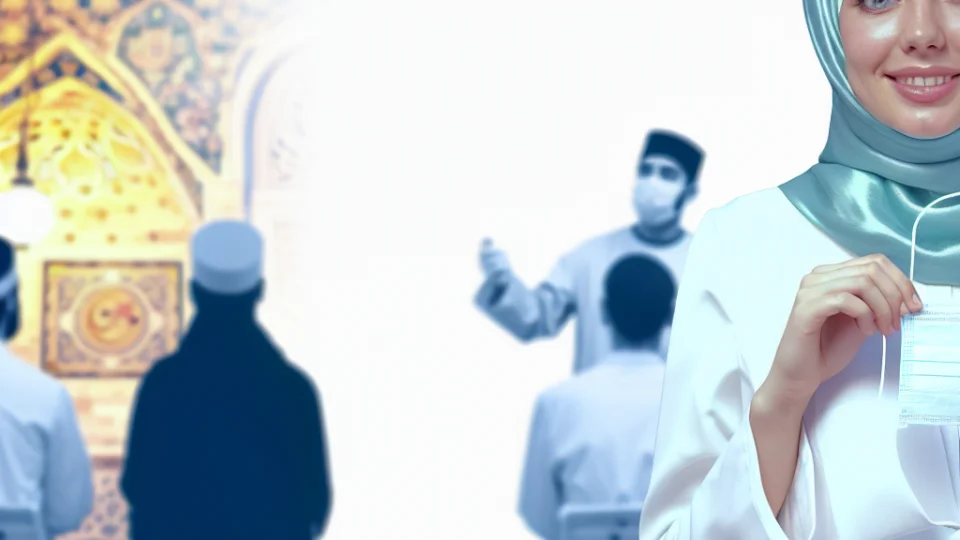
When foreigners show respect for the religious values in Turkey, they are often engaged in an effort to understand the depth of local culture and traditions. Throughout history, Turkey has been a geography where different religions coexist. Therefore, the approach of foreigners towards religious values in Turkey is often shaped by curiosity and respect. Especially in regions where Islam is prevalent, foreign visitors tend to exhibit a careful and respectful attitude towards the beliefs and practices of the local people. This respect can be observed during visits to religious sites.
The respect that foreigners have for religious values in Turkey is often related to the desire to adapt to traditional customs. For example, foreigners visiting Turkey during Ramadan may prefer to participate in iftar meals and show respect to those who are fasting. Such behaviors highlight not only a religious understanding but also a cultural interaction and tolerance. Foreigners try to learn how religious rituals are performed by interacting with the local people.
Moreover, the willingness of foreigners to participate in religious events in Turkey demonstrates their interest in the cultural richness of this country. Religious festivals and events help foreigners gain a better understanding of the religious beliefs in Turkey. Such participation serves not only as an individual experience but also as a bridge between two cultures. By taking part in these events, foreigners can better grasp the importance of religious values in social life.
In conclusion, while foreigners show respect for religious values in Turkey, this respect is often combined with curiosity and tolerance. By interacting with the local people, learning about religious traditions, and behaving in accordance with these traditions, foreigners enhance their respect for religious values in Turkey. Thus, a meaningful dialogue develops between visitors and the local community. This situation holds significant importance regarding the roles and contributions of foreigners within Turkey's religious diversity.
What Religious Beliefs Are Predominant in Turkey?
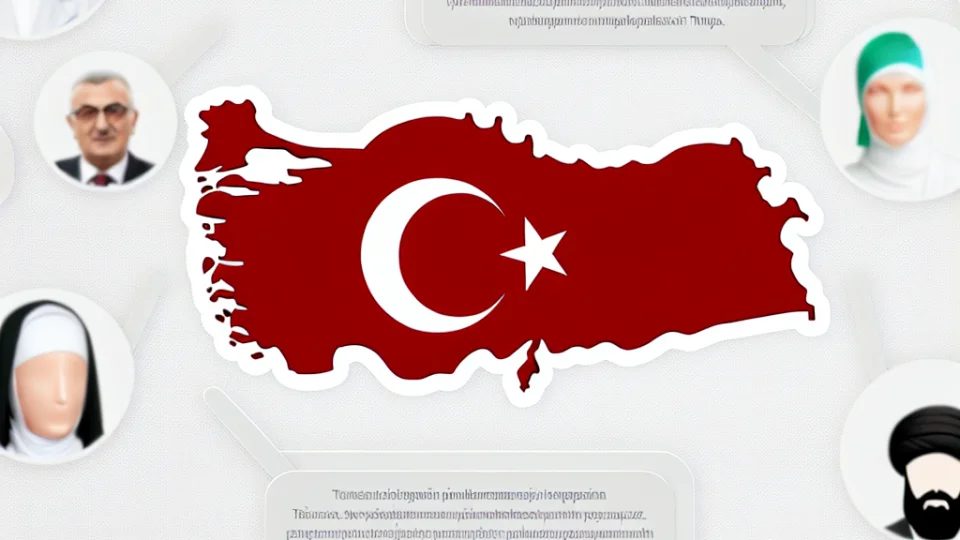
Turkey is a country that hosts many different religious beliefs and cultures due to its geographical location and historical background. A significant portion of the population adheres to the Islam religion because of historical and cultural ties. Approximately 99% of the people living in Turkey are Muslims. Additionally, various belief groups can also be found in Turkey. Particularly, beliefs such as Christianity and Judaism have a deep-rooted history in various regions of the country. This situation showcases Turkey's religious diversity and cultural richness.
While Islam is the most widespread religion in Turkey, it is also divided into different sects. The most commonly practiced form is Sunni Islam, but other belief systems like Alevi Islam also have a significant population. Alevi Islam, as part of Turkey's religious diversity, is particularly concentrated in Eastern and Southeastern Anatolia. These sects enrich Turkey's religious structure with their unique rituals and forms of worship. Additionally, the Sufi tradition holds an important place in Turkey's religious life.
Moreover, other belief groups such as Christianity and Judaism also exist in Turkey. Christianity is represented by historical churches, especially in large cities like Istanbul. The Christian communities in Turkey are generally affiliated with Orthodox and Catholic denominations. The Jewish community has also maintained its presence throughout history in various cities across Turkey. These communities contribute to Turkey's religious diversity with their own forms of worship and traditions.
In conclusion, Turkey is a country rich in religious belief diversity. While Islam, with its Sunni and Alevi sects, holds a clear majority, other belief groups such as Christianity and Judaism also occupy an important place. This situation is a factor that deeply influences Turkey's cultural and social structure. The interest of foreigners in Turkey increases even more with this rich religious and cultural mosaic. The religious beliefs of Turkey offer an area to be explored not only for the local population but also for visitors.