What is the Historical Significance of Turkey Located on Which Continent?

Turkey is a significant cultural crossroads due to its geographical location and historical depth. Situated at the intersection of Asia and Europe, Turkey has hosted many civilizations throughout history. This situation has made Turkey not only a strategic region but also a country rich in historical and cultural treasures. From the Hittites to the Phrygians, and from the Persians to the Romans, many civilizations have made their mark here. The historical significance of Turkey is further deepened by the traces left by these civilizations.
Throughout history, Turkey has been a significant example of tolerance and unity where different religions and cultures have coexisted. The traces of Islam, Christianity, and other religions can be observed in these lands. This situation highlights not only Turkey's historical and cultural richness but also its religious diversity. Turkey, which has interacted with various belief systems throughout different eras, also hosts the architectural works and cultural heritage of these religions.
The historical significance of Turkey is not limited to past civilizations. As the center of the Ottoman Empire, Turkey has been a historically important power. The Ottoman Empire made significant contributions in cultural, artistic, and scientific fields, shaping world history. The survival of the works and structures from this period until today further enriches Turkey's historical aspect. The wealth offered by the Ottoman era constitutes an important part of Turkey's historical heritage.
Finally, the historical significance of Turkey is also supported by the advantages of its geographical location. Throughout history, Turkey has been a crossroads of trade routes, making it a center of economic and cultural interactions. Important trade routes like the Silk Road passed through Turkey, connecting different geographies. This interaction has contributed to Turkey's historical heritage, making it possible to trace the remnants of these riches even today.
What Are Turkey's Cultural Riches?
Turkey is a country that has hosted many civilizations throughout history, and this has increased the diversity of its cultural riches. Many civilizations, such as the Hittites, Phrygians, Urartians, Romans, and Byzantines, have lived on Turkish soil and left their cultural marks. The influences of these civilizations have reached the present day in the form of architectural structures, artistic works, and local traditions. While each region of Turkey stands out with its unique cultural characteristics, this richness also enhances the country's tourist appeal.
Turkish cuisine is one of the most important parts of Turkey's cultural riches. Shaped by the influence of the Ottoman Empire, the cuisine encompasses flavors from many different cultures. For example, kebabs, stuffed dishes, appetizers, and desserts are among the essentials of Turkish cuisine. Each dish is prepared with unique ingredients and cooking techniques from different regions. This rich gastronomy attracts both domestic and foreign tourists and reflects Turkey's cultural identity.
Music and dance also hold an important place among Turkey's cultural riches. Turkish music has a rich repertoire that blends traditional melodies with modern rhythms. Additionally, each region has its own unique folk dances. These dances are an indispensable part of social events and celebrations. Local festivals are of great importance in preserving and promoting cultural heritage. Such events contribute to strengthening cultural bonds by bringing the local community together.
What You Need to Know About Hair Transplantation in Turkey
Turkey has become an important center for hair transplantation worldwide in recent years. The modern techniques applied in our country and high success rates have led many international patients to prefer Turkey. Hair transplant procedures are generally performed using techniques such as FUE and DHI. These methods help patients maintain the natural appearance of their hair while also offering faster recovery processes due to their minimal invasive nature.
Hair transplant prices are quite competitive in Turkey. These prices, which offer economic advantages for both local and international patients, become attractive when combined with quality service. Prices vary depending on the number of hair follicles to be transplanted, the quality of the chosen clinic, and the technology used. Therefore, it is important for patients to conduct thorough research to find the most suitable option for themselves.
Before the hair transplant procedure, it is important for patients to undergo necessary tests and share their health status with the doctor. At this stage, the cause of hair loss and the suitability for transplantation are evaluated. Additionally, there are certain rules that patients need to follow after the hair transplant. For example, keeping the head elevated in the first few days helps prevent pain and swelling. Such details are critical for achieving a successful outcome.
In conclusion, hair transplantation in Turkey stands out with its expert staff, modern technologies, and affordable prices. However, for a successful result, patients need to be meticulous in choosing the right clinic and specialist doctor. Furthermore, it is also very important not to overlook the post-procedure care and follow-up processes to achieve satisfactory results in the long term. Hair transplantation remains a reliable option in Turkey for a healthy and natural appearance.
What is the Geographical Location of Turkey Like?
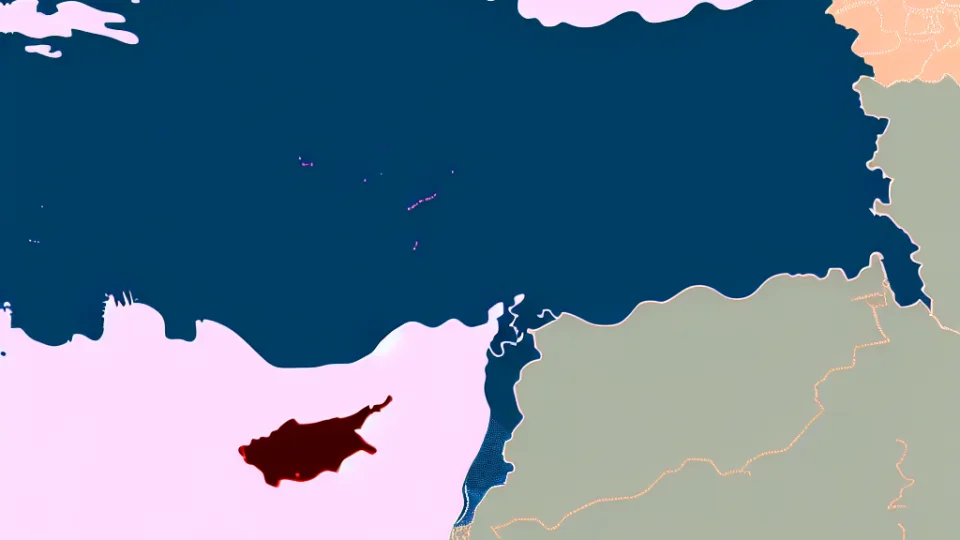
Turkey is a country located on both the Asian and European continents. This unique geographical position makes Turkey a strategic bridge. To the east of Turkey are Georgia, Armenia, Azerbaijan, and Iran; to the west are Greece and Bulgaria; and to the south are Syria and Iraq. These neighboring countries enhance Turkey's cultural richness and historical depth. The country's geographical location also offers significant advantages in terms of climate diversity and natural resources.
Turkey's geography is notable for hosting different climate types. The northern part of the country is dominated by a Black Sea climate, while the southern part has a Mediterranean climate. In the interior regions, a continental climate can be observed. This climate diversity not only affects agricultural and livestock activities but also makes Turkey attractive in terms of tourism. For example, the Mediterranean coasts are flooded with holidaymakers in the summer months, while in winter, they offer winter tourism opportunities for skiing enthusiasts.
Turkey's geographical structure is filled with mountainous and rugged terrains. Mount Ararat, the highest point in the country, stands out at 5,137 meters, while other mountain ranges like the Taurus and the Northern Anatolian Mountains create significant natural areas. These mountains play an important role in the formation of water resources and the shaping of the climate. Additionally, the plains across Turkey contribute to agricultural development and increase agricultural productivity in the country.
Being surrounded by seas further enhances Turkey's geographical significance. The country is bordered by seas on three sides; the Black Sea to the north, the Aegean Sea to the west, and the Mediterranean Sea to the south. These seas provide great opportunities for both trade and tourism. Especially in the summer months, sea tourism makes significant contributions to the Turkish economy. Moreover, the natural resources provided by the seas allow for the development of the fishing and other aquatic products sectors.
Which Civilizations Were Present in Turkey's History?
Turkey is a country that has hosted some of the oldest civilizations in history. Many cultures have been established and thrived in these lands since prehistoric times. Firstly, the Hittites ruled in Anatolia around 2000 BC, and the written documents from this period shed light on Turkey's history. The Hittites shaped the political structure of Anatolia and interacted with neighboring civilizations. This interaction enriched the cultural diversity of Anatolia and allowed many different cultures to coexist.
In addition, the Phrygians arrived in Anatolia around 1200 BC and made a significant impact in the region. The Phrygians engaged in agriculture and animal husbandry, becoming wealthy by utilizing underground resources. Furthermore, Phrygian culture is notable for its art and architecture. The remnants left by the Phrygians can still be observed in today's archaeological sites, showcasing the influence of this civilization on Anatolia.
The lands of Anatolia have also hosted important civilizations such as the Ionians and the Troy civilization. The Ionians were a group of Greek colonies established in the Aegean region around 1000 BC. This civilization made significant advancements in philosophy, science, and art, laying the foundations of Western civilization. Troy, on the other hand, is a legendary city mentioned in Homer's Iliad, and the events that took place there are associated with one of the most important wars in history, the Trojan War.
Lastly, the Roman Empire and later the Byzantine Empire had a significant impact on the lands of Turkey. During the Roman period, Anatolia was governed by many provinces and cities, and during this time, Rome's advanced legal system and architecture were reflected in Anatolia. The Byzantine period marked a major turning point in the spread of Christianity and cultural development. These civilizations played a crucial role in shaping Turkey's historical and cultural heritage.
What is the Position of Plastic Surgery in Turkey?
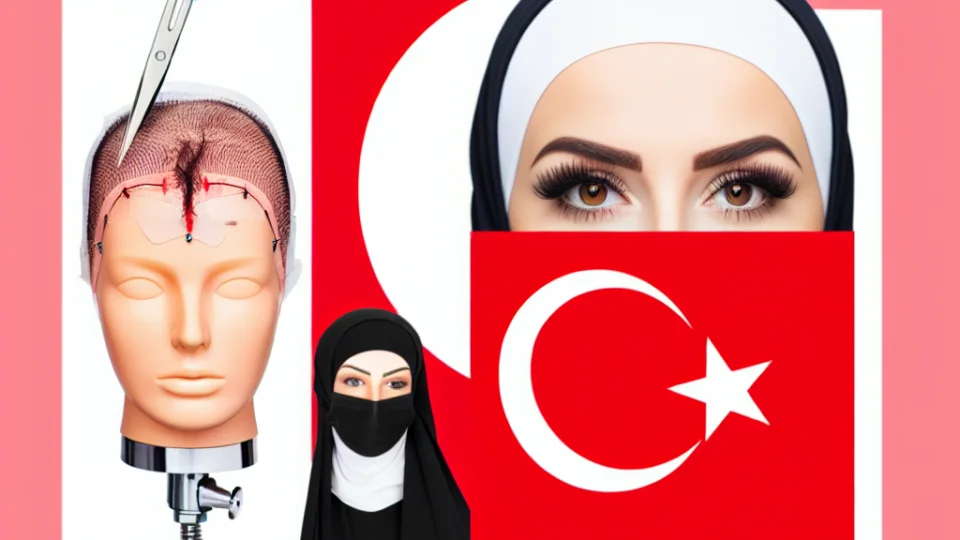
Turkey has become an important center in the field of plastic surgery in recent years. Especially aesthetic surgery offers an attractive option for both local and foreign patients. The plastic surgery specialists in our country stand out with their high levels of education and international experience. This situation contributes to Turkey's worldwide reputation in aesthetic surgeries. Hospitals in Turkey prioritize patient safety by providing modern technologies and sterile environments.
Competitive prices play a significant role in the increasing popularity of plastic surgery in Turkey. While the costs of similar procedures abroad are quite high, these procedures are performed at more affordable prices in Turkey. Additionally, many foreign patients prefer Turkey due to the influence of health tourism. Plastic surgery centers in Turkey offer accommodation and other services to their patients, providing a comprehensive experience.
Plastic surgery practices in Turkey are not limited to aesthetic purposes. Significant developments are also taking place in the field of reconstructive surgery. In cases of accidents, diseases, or congenital deformities, plastic surgeons in Turkey provide high-quality solutions to their patients. This situation expands the scope of our country's healthcare system and ensures that more patients can be reached.
Finally, the research and innovations in the field of plastic surgery in Turkey are also noteworthy. In particular, the use of minimally invasive techniques and new technologies ensures that procedures are performed more safely and effectively. These developments not only increase patient satisfaction but also strengthen Turkey's global position in the field of plastic surgery. Thus, Turkey continues to be among the leading countries in plastic surgery.
The Influence of Religious Beliefs on Civilizations in Turkey

Turkey is a geography that has been influenced by many civilizations and religions throughout its history. Islam is the most widespread religion in these lands; however, the history of Anatolia has witnessed the presence of various religions such as Christianity, Zoroastrianism, and pagan beliefs. This diversity has shaped Turkey's religious structure and left deep marks on social life. Religious beliefs have influenced not only the spiritual world of individuals but also social norms and values. Therefore, Turkey's religious beliefs play a significant role in the daily lives, cultural practices, and social relationships of the people living here.
Many ancient civilizations that existed in Anatolia have made their religious beliefs and rituals a part of their daily lives. For example, civilizations such as the Hittites and Phrygians worshipped nature and agricultural deities and celebrated these beliefs with various festivals. Some of these traditions still carry traces in the religious and cultural structure of contemporary Turkish society. In particular, traditional holidays and ceremonies still celebrated in various regions of Anatolia are reflections of these ancient beliefs that have survived to this day. In this context, Turkey's religious beliefs hold great importance as a historical and cultural heritage.
The impact of religious beliefs on civilizations in Turkey is observed not only on individuals but also on social structures. For instance, during the Ottoman Empire, Islam formed the foundation of the governance and legal system, making it a decisive element in the social structure. Religious rules and beliefs provided authority across all segments of society and shaped the lifestyles of individuals. Even today, this influence is still felt, especially in rural areas and among communities with traditional lifestyles. This situation demonstrates how deep the historical roots of Turkey's religious beliefs are.
Finally, the impact of religious beliefs on civilizations in Turkey is also manifested through cultural interactions. Historically, people from different religions and sects have lived together and developed many common values. Different interpretations of Islam, such as Alevi and Sunni, manifest themselves in various ways within society, and this diversity has become a part of Turkey's rich cultural structure. While religious beliefs promote social unity and solidarity, they also teach that differences should be accepted. Therefore, Turkey's religious beliefs occupy an important place in both historical and contemporary social dynamics.