What are the Geographical Features of Lake Van?
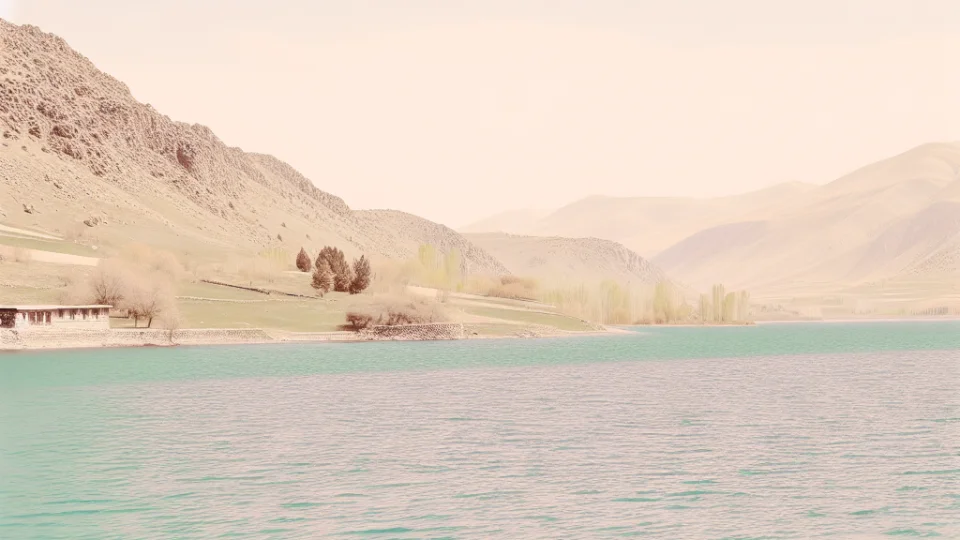
Lake Van is located in the east of Turkey and is known as the largest soda lake in the country. The lake is situated within the borders of Van province, particularly in the Eastern Anatolia Region. Covering an area of approximately 3,755 square kilometers, it is located at an altitude of 1,640 meters. Lake Van, along with the mountainous areas surrounding it, offers a magnificent natural landscape while also hosting a rich ecosystem.
One of the most striking features of the lake is that it is completely composed of saline water sources. This situation affects the types of organisms living in the lake, creating a suitable habitat especially for saltwater fish and flamingos. In addition to being the saltiest lake in Turkey, Lake Van is also quite interesting in terms of depth. The deepest point of the lake is approximately 450 meters, and this depth is significant for studying the geological structure of the lake.
Lake Van is also known as a volcanic lake. This characteristic has emerged as a result of volcanic activities around the lake. Many mountains and volcanic tuff surrounding the lake shed light on the region's past. Seasonal changes in water levels affect the ecosystem living in the lake, while the surrounding agricultural areas and settlements are shaped accordingly.
The natural beauties and historical structures found around the lake are other elements that attract visitors' attention. Particularly, Akdamar Island, located in the middle of the lake and notable for its historic Armenian church, is a significant point of interest. Lake Van stands out not only for its natural beauties but also for its cultural and historical richness. These features demonstrate how rich and diverse the geographical structure of the lake is.
What Activities Can Be Done at Lake Van?
Lake Van is a region located in eastern Turkey, rich in natural beauty. The activities that can be done in this lake offer a unique experience for nature lovers. Walking along the lakeshore provides both physical activity and a chance for mental relaxation amidst natural scenery. During the walk, it is possible to explore different shores of the lake and observe the region's flora and fauna. Additionally, various resting areas along the walking paths offer visitors a chance to take a break.
Water sports are also quite popular at Lake Van. Especially in the summer months, activities such as swimming, canoeing, and surfing become popular in the lake. Water sports provide a fun way to spend time and an adrenaline-filled experience. Canoeing in the calm waters of the lake is a great way to enjoy nature. Moreover, fishing activities in the lake offer a special pleasure for those who want to spend time close to nature.
Visiting the historical and cultural sites around the lake is also an important activity. There are many historical ruins and settlements around Lake Van. Particularly, the Akdamar Church on Akdamar Island offers both historical value and a visual feast for visitors. Such visits help you better understand the region's history while also providing a cultural experience.
- Hiking and nature walks
- Water sports (canoeing, swimming, surfing)
- Fishing activities
- Visiting historical and cultural sites
The campsites around Lake Van also provide a great opportunity for nature enthusiasts. Camping by the lake is an ideal option for spending the night under the stars and being one with nature. Campsites offer various amenities, which help create a comfortable camping experience. Additionally, conversations around the campfire provide a perfect opportunity to create unforgettable memories with friends and family.
What Are the Benefits of the Salty Water of Lake Van?
Lake Van, not only the largest lake in Turkey but also notable for its salty water feature. This salty water has a significant impact on the living organisms in the lake. While supporting the presence of certain microorganisms, salty water plays a critical role in maintaining the ecosystem balance of the water. The minerals in the salty water ensure the survival of the creatures in the lake while also increasing the lake's biodiversity.
The health benefits of salty water are quite diverse. The healing effects of salty water for skin diseases have been experienced by many people. Salty water can help reduce inflammation on the skin, making it appear healthier and smoother. Additionally, the antiseptic properties of salty water can contribute to faster healing of wounds. Therefore, the salty water of Lake Van holds significant potential for health tourism.
The salty water of Lake Van is also rich in minerals. Minerals such as sodium and magnesium in its content are essential for body health. These minerals help maintain the body's water balance while also contributing to the proper functioning of the muscle and nervous systems. This mineral richness of salty water is particularly beneficial for athletes, as it helps replenish the electrolytes lost after exercise.
Lastly, the salty water of Lake Van provides a foundation for many tourist activities. The benefits offered by salty water encourage people to swim in the lake and engage in spa-like treatments. Such activities provide benefits for both physical and mental health. In this aspect, Lake Van has become an important destination, both as a natural beauty and for health tourism.
How is the Unique Nature of Lake Van Being Preserved?
Lake Van, as Turkey's largest soda lake, stands out with its unique ecosystem and natural beauties. Preserving this unique nature is critically important for the sustainability of biodiversity in the region. The natural habitats surrounding Lake Van are being protected and supported by many local and international organizations. These conservation efforts aim to take necessary measures to prevent the disruption of the lake's natural balance.
At the forefront of the conservation efforts in the region is the awareness-raising of the local community. Local communities are being educated on how to avoid harming the lake's ecosystem and the surrounding natural areas. This education helps to preserve traditional lifestyles while also promoting ecotourism. Thus, the aim is to pass on the natural beauties of Lake Van to future generations.
- Raising awareness among the local community
- Conservation projects
- Ecotourism activities
- Monitoring biodiversity
Additionally, environmental monitoring systems regularly check the water quality and ecosystem health of the lake. These monitoring systems play an important role in tracking changes in the lake's water level, salinity, and biodiversity. This way, potential threats can be detected early, allowing for necessary measures to be taken. Such scientific studies contribute to the preservation of the natural values of Lake Van.
What Are the Must-See Places Around Lake Van?
Lake Van is a region in eastern Turkey famous for its unique natural beauty. There are many places to explore around this lake. Firstly, Ahtamar Island stands out. Ahtamar Island enchants visitors with its historic church and stunning nature. The Ahtamar Church located on the island is considered one of the finest examples of Armenian architecture. Additionally, walks around the island offer a peaceful experience accompanied by the lake view.
Another important spot is Van Castle. This castle is situated on a hill overlooking Lake Van and draws attention with its historical structure. The view of the lake can be enjoyed from the castle, and the surrounding historical ruins can be explored. Climbing to the castle is a fantastic experience for both history enthusiasts and nature lovers. Moreover, the natural beauty around the castle provides an attractive setting for photography enthusiasts.
Another activity to do at Lake Van is visiting the Lake Van Beach. This beach attracts both local and foreign tourists during the summer months. The salty water of the lake offers an ideal environment for swimming enjoyment. It is possible to relax on the beach and engage in water sports. Additionally, you shouldn't miss the opportunity to taste local delicacies at the cafes and restaurants around the beach.
Finally, the waterfalls around Lake Van are also worth seeing. In particular, Muradiye Waterfall attracts visitors with its natural beauty. This waterfall offers a unique view and provides an ideal setting for picnicking. The walking paths around the waterfall are a great option for those who want to hike in nature. The time you spend at Lake Van will be much more meaningful as you discover these natural beauties.
What You Need to Know About the Ecosystem of Lake Van
Lake Van, not only the largest soda lake in Turkey but also hosts a rich ecosystem. This ecosystem is notable for the various plant and animal species that inhabit the lake. The saline water of the lake allows many species to adapt, while also providing opportunities for different life forms to develop in the surrounding areas. This situation enhances the region's biodiversity and helps maintain the balance of the ecosystem.
The ecosystem of Lake Van is particularly rich in waterfowl. This area serves as a stopover for migratory birds and also creates a habitat for many native species to nest. Flamingos, in particular, are one of the frequently seen species in the lake. The wetlands around the lake provide an ideal environment for these birds to feed and breed. This feature makes the region an important attraction for ecotourism.
The ecosystem of Lake Van is not limited to birds. Aquatic plants and microorganisms in the lake play a crucial role in maintaining water quality and ecological balance. These plants increase the oxygen levels in the lake while performing natural filtration of the water. Additionally, the fish species in the lake constitute an important part of the ecosystem, contributing to the sustainability of local fishing.
The protection of the Lake Van ecosystem is critical for the continuation of natural life in the region. Human activities, particularly agricultural and industrial waste, are among the threats to the ecosystem. Therefore, environmental protection projects and sustainable tourism practices are essential for helping to maintain the lake's natural balance and preserving the biodiversity in the area. Protecting the ecosystem of Lake Van is a significant responsibility, not only locally but also at the national level.
What Are the Transportation Options to Lake Van?
Reaching Lake Van is quite easy by both road and air. Especially, there are various options available to reach the lake from Van city center. The bus terminals in the city operate regular services to important points around the lake. In addition, there are roads that offer a pleasant journey with beautiful views for those traveling by private vehicle. The nearest transportation point to Lake Van is the town of Edremit, which is approximately 20 kilometers away from the city center.
Air travel is also one of the practical ways to reach Lake Van. Van Ferit Melen Airport offers direct flights from many major cities in Turkey. Taxis or private transfer services can be preferred for transportation from the airport to the city center and the lakeside. Additionally, some hotels provide airport transfer services for their guests. This makes reaching Lake Van quite comfortable.
Alternatively, it is also possible to travel to Lake Van by bus. Bus services are organized from many provinces in Turkey to Van. Bus companies generally operate with modern and comfortable vehicles, prioritizing the comfort of passengers. During these journeys, passengers will also have the opportunity to see the natural beauty of Van. Thus, reaching Lake Van becomes not just a destination, but also an experience.
Finally, it is worth considering the boat tours organized for reaching Lake Van. Some tour companies offer visitors a unique experience with tours conducted on the lake. These tours provide a great opportunity to explore the beauty of the lake as well as the historical and natural riches surrounding it. Activities like these on Lake Van allow for the discovery of the region's cultural and natural heritage beyond just transportation.