Where Are Gold Deposits Found in Turkey?
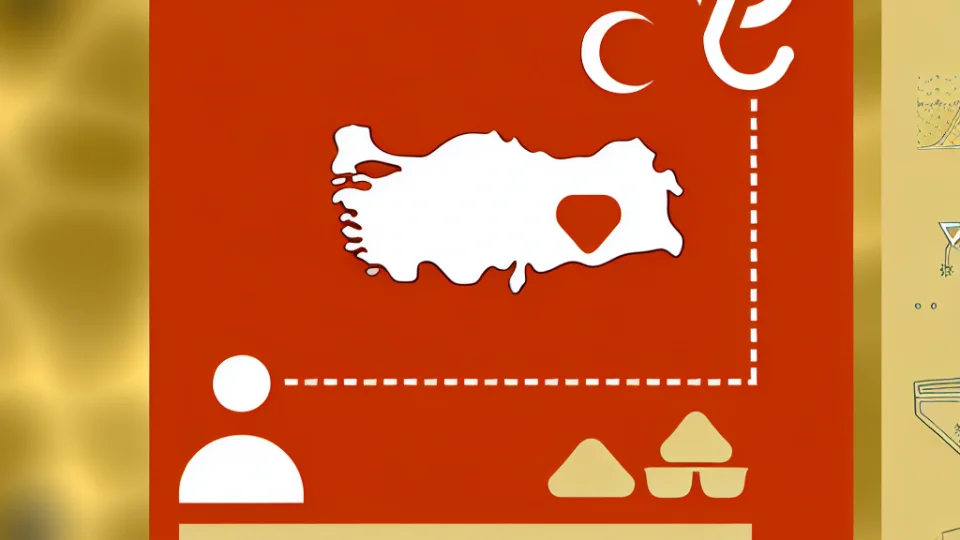
Turkey is a country famous for its rich mineral resources, and gold deposits are an important part of these resources. The gold deposits located in different regions of the country offer attractive opportunities for both domestic and foreign investors. In particular, the eastern and southeastern regions of Turkey are significant centers for the discovery and extraction of this valuable mineral. The gold deposits in these areas have formed as a result of various geological processes and currently hold economic value.
One of Turkey's most important gold deposits is located in Çanakkale. The gold mines in Çanakkale stand out with their rich reserves. Additionally, Ovacık Gold Mine is known as Turkey's first private gold mine and makes significant contributions to the country's economy with its high annual production capacity. The mines in this region are also managed carefully in terms of environmental sustainability.
Moreover, there are significant gold deposits in Gümüşhane. Gümüşhane has been a region with intense mining activities throughout history. The gold deposits are operated alongside other mines in the area and contribute to the local economy. Furthermore, with these investments, employment in the region is also increasing, improving the economic conditions of the local population.
Lastly, the provinces of Elazığ and Mardin also have a rich potential in terms of gold deposits. The mines in these regions provide significant economic benefits through the evaluation of underground riches and play an important role in Turkey's gold production. Turkey continues to make various investments to best utilize the potential of this valuable mineral.
What is the Contribution of Oil Production to the Turkish Economy?
Turkey is a country that attracts attention with its geopolitical location and rich underground resources. The country's oil production plays a significant role in meeting its energy needs. Turkey aims to reduce its energy dependence by utilizing its own oil resources. To this end, policies have been developed to encourage both domestic and foreign investments. The increase in the country's oil production supports economic growth and creates employment. Additionally, oil revenues provide significant contributions to the state budget and are used to finance social projects.
The contributions of oil production to the Turkish economy are not limited to direct income. In addition, significant development is observed in secondary sectors such as oil refineries and industrial facilities. The growth in these sectors revitalizes local economies and creates new job opportunities. Furthermore, the processing of oil and its derivatives plays an important role in Turkey's foreign trade. Imported crude oil is exported after the refining process, generating foreign exchange income.
- Oil resources increase local employment.
- Oil revenues provide funding for public projects.
- The oil industry affects the foreign trade balance.
- Domestic oil production reduces energy dependence.
In conclusion, Turkey's oil production not only meets energy needs but also makes significant contributions to economic development. The country is progressing towards reducing energy dependence by utilizing its oil resources more effectively and developing various strategies in this regard. In the future, with the increase in domestic production and a shift towards alternative energy sources, the role of oil in Turkey's economic structure will become even more important. In this context, oil production will continue to be one of the key elements supporting Turkey's economic sustainability.
What Are the Uses and Importance of Boron Ore?
Boron ore is one of the most valuable minerals in Turkey and hosts a significant portion of the world's boron reserves. One of the most important uses of this mineral is in the glass and ceramics industry. Boron enhances the durability of glass, allowing for the production of heat-resistant and lighter products. Especially boron-reinforced glasses are frequently preferred in the automotive and construction sectors. Additionally, boron compounds increase the hardness of ceramics, leading to longer-lasting and higher-quality products.
Another important application of boron ore is in the agriculture sector. Boron is an essential element that supports plant growth. The use of boron in agriculture particularly increases yield and improves product quality in fruit and vegetable production. Boron deficiency can lead to various diseases in plants, making boron applications in agriculture critically important for enhancing agricultural productivity. Therefore, boron fertilizers are increasingly being used among farmers.
Moreover, boron ore also plays a significant role in the energy sector. Boron is used in nuclear power plants and energy storage systems. Boron compounds enhance energy storage capacities, enabling more efficient use of renewable energy sources. This situation is of great importance for energy conservation and environmental sustainability. Thus, boron ore is gaining increasing significance in the energy field.
In conclusion, the applications of boron ore are quite extensive, and its importance is not limited to industry alone. The use of boron in various fields such as health, environment, and energy significantly contributes to Turkey's economic development. Turkey's boron reserves hold strategic value among the country's natural resources, and the effective use of boron is an important step towards achieving sustainable development goals.
Other Precious Metals: Information About Silver and Chromium
Turkey is a country rich in natural resources, and among these resources, precious metals stand out. Silver is one of these metals that shines prominently. The silver deposits in our country are generally found alongside copper and lead ores. Particularly, the Gümüşhane and Artvin regions offer rich resources in terms of silver mining. Silver has a wide range of applications not only in jewelry making but also in the industrial sector. It plays a significant role in electronics, photography, and healthcare.
Chromium is another important precious metal in Turkey, and our country holds a significant portion of the world's chromium reserves. The chromium mines concentrated in provinces such as Elazığ, Konya, and Çanakkale are known for producing high-quality chromium ore. Chromium is primarily used in the production of stainless steel, making it crucial for the industry. Turkey ranks high in chromium production and exports, contributing significantly to the economy.
The economic value of silver and chromium ores is not limited to domestic consumption; they also hold a significant place in international markets. Silver prices fluctuate based on the balance of supply and demand worldwide. Chromium, on the other hand, is a metal widely used in the construction and automotive sectors. Therefore, Turkey's processing of these metals for international markets provides significant contributions to the national economy and creates opportunities in employment.
In conclusion, Turkey's precious metals like silver and chromium hold great importance both economically and industrially. The sustainable extraction and processing of these metals is also a critical issue for maintaining environmental balances. Turkey should aim to increase the added value of these metals in the future by using its natural resources efficiently. In this context, investments and R&D efforts in the mining sector will enhance the country's competitiveness.
Turkey's Mining Policy and Its Relationship with Sustainability
Turkey is a country that stands out with its rich mineral resources. The proper management of these resources is crucial for both economic development and environmental sustainability. Turkey's mining policy is based on the efficient use of resources and the promotion of environmentally friendly practices. In particular, the aim is to minimize the environmental impacts during the mining processes. In this context, various strategies have been developed to avoid harming nature during the processing of minerals.
The relationship between sustainability and mining policy is closely related to Turkey's efforts to meet its energy needs. The country aims to reduce its dependence on foreign energy production by utilizing its mineral resources. However, considering the environmental impacts during the operation of mines also ensures that local communities benefit from this process. In this framework, the participation of local people in mining projects is encouraged, thereby also taking social sustainability into account.
Turkey's mining policy aims to establish a balance between environmental protection and economic growth. To achieve this balance, various regulations and laws have been developed. The assessment of the environmental impacts of mining operations has become an important criterion in the licensing processes. Additionally, projects have been implemented for the rehabilitation and re-greening of mining sites. Such practices contribute to the preservation of natural resources for future generations while also supporting the protection of ecosystems.
In conclusion, Turkey's mining policy is structured to simultaneously consider both economic and environmental sustainability goals. These policies aim to protect Turkey's natural wealth for future generations by establishing a balance between the efficient use of mineral resources and environmental protection objectives. Innovative practices and technological advancements in the mining sector will significantly contribute to the realization of these goals.
What Are the Challenges Faced in the Mining Process?
The mining process brings many challenges along with its economic benefits. Firstly, geological challenges pose a significant obstacle. The underground locations of mineral deposits may sometimes be situated in hard-to-reach and deep areas. This situation increases the costs of mining activities and threatens the sustainability of projects. Additionally, the underground water resources in the regions where mines are located are at risk of pollution due to extraction processes, creating an environmental issue.
Secondly, technological challenges are an important part of the mining process. Although modern mining technologies are continuously evolving, some mines still utilize outdated methods for extraction. This situation reduces efficiency and jeopardizes workplace safety. Furthermore, the integration of new technologies increases costs and strains the budgets of businesses. Therefore, the mining sector constantly needs to invest in technology.
Thirdly, legal and bureaucratic barriers also complicate mining processes. In Turkey, various permits and licenses are required for mining activities. This process is often time-consuming and can delay businesses' projects. Additionally, frequent changes in laws lead to uncertainty for investors. Such bureaucratic obstacles create significant problems, especially for small and medium-sized enterprises.
Finally, social challenges are another important factor that must be considered in the mining process. Communities living in areas where mines are located often have high concerns about mining activities. Environmental impacts, health issues, and the threat to local lifestyles can increase public opposition to projects. Therefore, mining companies need to establish effective communication with local communities and develop social responsibility projects.
Export of Precious Metals: Its Impact on Turkey's Foreign Trade
Turkey is a country rich in precious metals thanks to its geographical location and underground resources. Particularly, metals such as gold, boron, and silver hold significant importance in Turkey's foreign trade. When examining annual export figures, it is clear how substantial the contribution of these metals is to the country's economy. The export of precious metals not only supports economic growth but also positively contributes to Turkey's international trade relations.
The increasing global demand for metals presents an opportunity for Turkey to boost its precious metals exports. Especially in recent years, Turkey has become a world leader in boron mining. This situation has a significant impact on Turkey's foreign trade balance. The use of boron in various industrial sectors strengthens Turkey's exports in this field and provides substantial contributions to the national economy.
The increase in Turkey's precious metal exports also allows for the development of the local workforce. The growth in the mining sector creates new employment opportunities and helps revitalize local economies. In this process, conducting mining activities sustainably, minimizing environmental impacts, and developing social responsibility projects are of great importance. These factors directly influence Turkey's export performance.
Finally, the momentum in Turkey's precious metal exports enhances its competitive power in international markets. By processing its minerals into value-added products for export, Turkey is taking a significant step towards closing its foreign trade deficit. This situation reinforces Turkey's economic independence and helps it achieve a stronger position on the international trade stage. The export of precious metals plays a critical role in Turkey's achievement of its economic goals.