What is the Most Populous Province of Turkey?
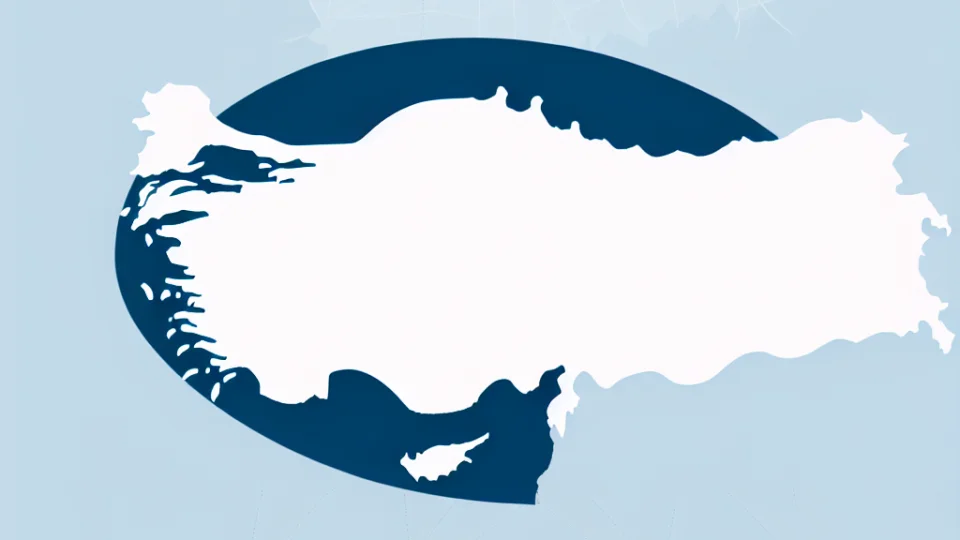
The most populous province of Turkey is İstanbul. Throughout history, İstanbul has hosted many civilizations and has been an important center in terms of culture and economy. As of 2023, the population of İstanbul has reached approximately 15 million people. This large population is directly related to the city's high immigration rates and the abundance of job opportunities. İstanbul is not only the most populous city in Turkey but also one of the most populous cities in Europe, drawing global attention in this regard.
There are many reasons for İstanbul's high population. Firstly, its geographical location at the crossroads of both Asia and Europe has led many people to settle here. Additionally, the tourism, industry, and trade opportunities in the city have contributed to the migration of people. İstanbul is a center that is heavily preferred by the young population due to its wide range of job opportunities and educational facilities.
Moreover, the social and cultural richness of İstanbul plays a significant role in its population growth. The city offers diversity in many fields such as art, music, literature, and gastronomy. Higher education institutions and various cultural events make İstanbul not just a business hub but also a living center. This situation is one of the factors that encourage people to live in İstanbul.
Finally, İstanbul's transportation infrastructure plays a critical role in managing its large population. Advanced public transportation systems facilitate mobility within the city and allow people to travel quickly between different areas. Options like metro, bus, and ferry are important elements that guide people through İstanbul's complex structure. When these factors come together, they help us better understand why İstanbul is the most populous province in Turkey.
What Are the Population Characteristics of Istanbul?
Istanbul, being the most populous city in Turkey, is also quite interesting in terms of its population characteristics. According to 2023 data, the population of Istanbul is approximately 15 million. This figure makes Istanbul one of the most populous cities not only in Turkey but also in the world. The main reasons for such a high population include the city's economic opportunities, cultural diversity, and the breadth of educational facilities.
The population structure of Istanbul has a young and dynamic profile. The proportion of individuals aged 15-34 is quite high in the city. This situation stems from Istanbul being a city that constantly receives migration. Young people, especially those seeking university education, prefer Istanbul. Additionally, individuals coming in hopes of finding jobs choose Istanbul to take advantage of the city's economic potential.
- Population density: As of 2023, Istanbul has more than 2,900 people/km².
- Ethnic diversity: Istanbul stands out as a city where different ethnic groups live together.
- Migration dynamics: The city is a central hub for internal and international migrations.
- Gender ratio: The female population in Istanbul is close to the male population.
The majority of residents in Istanbul have different cultural backgrounds and lifestyles. This situation creates richness in the city's social structure. Individuals from various ethnic origins continue to live their diverse traditions and customs in Istanbul. This diversity enriches the cultural fabric of Istanbul while also bringing various social issues. Population growth can lead to inadequacies in the city's infrastructure and services.
What is the Economic Importance of Ankara?
Ankara, while being the capital of Turkey, also plays a significant role in the country's economic structure. This city, rich in industry and trade, hosts the headquarters of many large companies. Ankara's geographical location, situated at the center of road and rail transport, contributes to the increase in commercial activities. Its appeal as a market for both local and international firms further enhances Ankara's economic significance.
Thanks to the advantages of being the capital, Ankara's service sector has also developed significantly. The presence of public institutions, universities, and various international organizations adds economic vitality to the city. Educational institutions enable the development of a qualified workforce, which in turn increases competition in the business world. Additionally, public services and social projects are among the elements that support the city's economic structure.
Ankara's agricultural sector is also an important economic component. The agricultural lands surrounding the city are particularly suitable for grain and vegetable production. This situation contributes to the strengthening of the local economy and the increase of employment opportunities. Moreover, the processing and marketing of agricultural products create opportunities for industrial establishments in the city. The integration of agriculture and industry significantly contributes to Ankara's economic growth.
Finally, Ankara's tourism potential is also an important aspect from an economic perspective. Its historical and cultural riches attract the interest of both domestic and foreign tourists. Anıtkabir, Atatürk Forest Farm, and various museums enhance the city's tourist appeal. The tourism sector facilitates the development of ancillary sectors such as hospitality, restaurants, and transportation services alongside the visitors coming to the city. This situation helps diversify Ankara's economic structure.
What Are the Cultural Riches of Izmir?
Izmir, being the third largest city in Turkey, also draws attention with its historical and cultural riches. This city is filled with historical remnants that date back to the Ancient Roman period. Ephesus is one of the most significant examples of this wealth. Ephesus is listed as a UNESCO World Heritage Site and attracts thousands of tourists each year. The city also offers a history-laden atmosphere with its historical villages like Sirince and ancient ruins such as Bergama and Ephesus.
Izmir is also prominent for its cultural events and festivals. The Izmir International Fair, held annually in the city, brings together many local and foreign participants. This fair serves as an important platform for cultural exchange as well as trade. Additionally, artistic events like the Izmir Short Film Festival are among the elements that enhance the cultural richness of the city. All these events strengthen Izmir's cultural identity and contribute to the promotion of the city.
The cuisine of Izmir is another important part of the city's cultural wealth. Aegean Region specialties, fresh vegetables, and olive oil dishes are frequently featured in this cuisine. Foods such as Izmir meatballs, boyoz, and stuffed mussels attract great interest from both locals and tourists. Moreover, the region's seafood is also quite famous. This gastronomic richness further deepens the cultural structure of Izmir.
The cultural riches of Izmir are not limited to historical and gastronomic elements. The city is also filled with modern art galleries, theaters, and concert halls. The Izmir State Theater stages different plays throughout the year and supports the arts. Additionally, venues like Izmir Art and Ahmet Adnan Saygun Art Center offer various events to art enthusiasts. This diversity colors Izmir's cultural life and enhances the dynamic structure of the city.
What Are the Historical and Touristic Places of Bursa?
Bursa is a city filled with historical and cultural riches of Turkey. As the first capital of the Ottoman Empire, Bursa hosts many significant historical structures. One of the most striking buildings in the city, the Grand Mosque (Ulu Camii), was built in 1399 and is notable for its architecture. Additionally, Bursa's historical thermal baths are quite famous. These baths are an important tourist destination that attracts both local and foreign visitors.
Among the places to visit in Bursa are significant structures such as the Green Tomb and Koza Han. The Green Tomb is the mausoleum of Ottoman Sultan Çelebi Mehmed and is known for its elegant tiles. Koza Han, on the other hand, is known as the center of silk trade and features many traditional handicraft products. These places not only showcase Bursa's historical texture but also offer visitors a unique experience.
Bursa also boasts a wealth of natural beauty. Especially, Uludağ National Park is an ideal place for winter sports and nature walks. In winter, Uludağ attracts many ski enthusiasts, while in summer, it becomes a preferred spot for those looking to spend time in nature. Additionally, Bursa's famous peach and other local delicacies also attract the interest of visitors.
Lastly, the people of Bursa are known for their hospitality. In the cafes and restaurants of the city, you can enjoy local flavors while spending time in a warm atmosphere. The festivals held in Bursa also keep the cultural life of the city vibrant. Events like the Bursa Festival are of great importance in promoting the historical and cultural values of the city.
What is Antalya's Tourism Potential Like?
Antalya is a city located in the south of Turkey, known as one of the most important centers for tourism. With its mild climate and historical richness, Antalya attracts both domestic and foreign tourists throughout the year. The city holds a significant place in the tourism sector with its long beaches, luxury resorts, and historical ruins. Additionally, Antalya's natural beauty and stunning sea draw millions of tourists every year.
Another factor that enhances Antalya's tourism potential is its rich cultural heritage. The city hosts many historical artifacts from the Roman, Byzantine, and Ottoman periods. Kaleiçi, the historical center of Antalya, offers visitors a unique experience with its narrow streets and old stone houses. Furthermore, the historical ruins, ancient theaters, and temples surrounding Antalya hold great value for cultural tourism.
The tourism season in Antalya typically peaks in the spring and summer months. During these periods, hotels, restaurants, and entertainment venues are heavily booked. Moreover, Antalya's tourist appeal is not limited to the summer months; it also offers alternative tourism opportunities such as skiing and outdoor sports in the winter. This diversity further enhances Antalya's tourism potential and significantly contributes to the city's economy.
In conclusion, Antalya's tourism potential is quite high due to its natural beauties and historical riches. The city attracts millions of tourists every year and stands out as one of Turkey's most popular tourism destinations. The growth of Antalya's tourism sector provides significant contributions to both the local economy and the international tourism market. Therefore, it seems that Antalya's tourism potential will continue for many more years.
What is the Role of Adana in Agriculture and Industry?
Adana is one of the most important provinces in Turkey in terms of agriculture and industry. Its rich geographical features, especially in terms of agricultural products, make this city attractive for the agricultural sector. The fertile lands of Adana allow for the cultivation of many products such as cotton, citrus fruits, wheat, and vegetables. Additionally, Adana's climate is also conducive to agricultural activities. The hot summers enable crops to mature quickly, which increases Adana's agricultural productivity.
The industrial sector of Adana is as significant as its agriculture. The industrial structure of the province generally focuses on the food, textile, and automotive sectors. Many food processing facilities located in Adana play a major role in processing agricultural products and bringing them to market. Furthermore, the industrial zones of Adana contribute to economic growth by increasing employment in the region. This situation strengthens Adana's position on Turkey's industrial map.
- Diversity of agricultural products in Adana
- Employment opportunities in the agricultural sector
- Economic contribution of industrial facilities
- Development of the food processing sector
In conclusion, the role of Adana in agriculture and industry is quite significant at both local and national levels. The raw materials provided by agriculture are vital for industry. Moreover, the industrial sector supports investments made in agriculture and enhances the value of farmers' products. Adana makes a significant contribution to Turkey's economic development with its ability to manage these two sectors together.