How is the Distribution of Water Resources in Turkey?
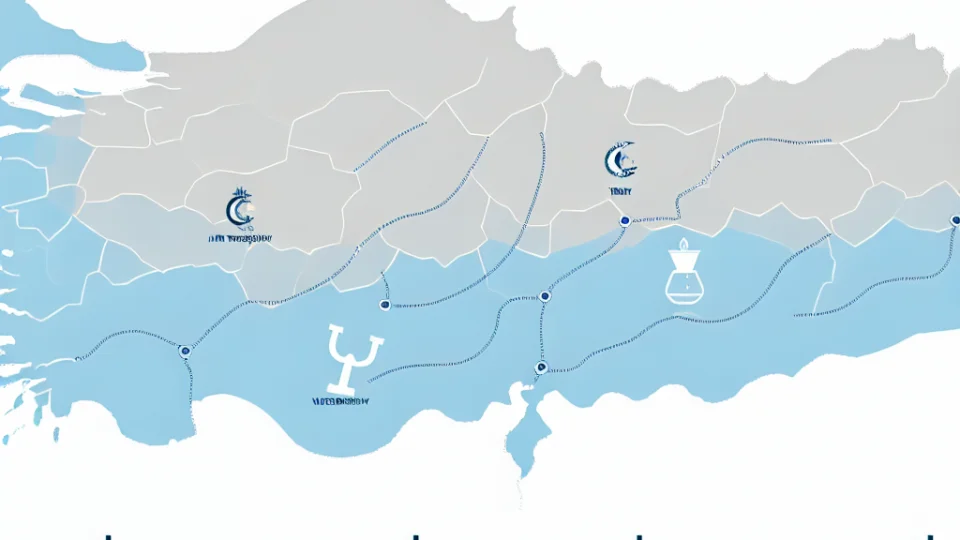
Turkey has a rich water resource due to its geographical location and climate structure. The rivers, lakes, and groundwater sources across the country are distributed with regional variations. Particularly, the Eastern Anatolia, Central Anatolia, and Mediterranean regions stand out as areas with dense water resources. The presence of water resources in these regions is of great importance for sectors such as agriculture, industry, and energy production. Additionally, the sustainable management of water resources plays a critical role in environmental health.
Water resources in Turkey can generally be divided into two main groups: surface and groundwater resources. Surface water resources are found in the form of rivers and lakes, while groundwater resources emerge from the water levels created by underground water layers. Notably, the Euphrates and Tigris rivers are among Turkey's most important surface water resources, while groundwater reserves vary locally. The proper use of these resources is vital for meeting water needs.
The distribution of water resources in our country is dependent on both climatic conditions and geographical structure. For example, the Black Sea Region has rich water resources due to high rainfall, while the Central Anatolia Region has more limited water resources due to lower precipitation. This situation causes regional variations in water management strategies. The conservation and efficient use of water resources are particularly important for irrigating agricultural lands and providing drinking water.
Moreover, the management of water resources in Turkey faces various challenges. Rapidly increasing population and industrialization continuously raise water demand. This situation leads to a decrease in existing water resources and paves the way for a water crisis. Therefore, effective policies need to be developed for the conservation and sustainable use of water resources. Local governments and state institutions should collaborate in managing water resources to overcome these issues.
In Which Regions Are Water Resources More Abundant?

Turkey is a country rich in water resources, and the density of these resources varies by region. Particularly, the Black Sea Region stands out with its high rainfall and abundant rivers. The steep structure of the mountains in this region facilitates the transformation of rainwater into rivers and ponds, making these resources vital for local ecosystems. Additionally, the richness of water resources in this region offers significant opportunities for agricultural activities as well as energy production.
The Marmara Region also holds an important place in terms of water resources. Especially, Istanbul and its surroundings are nourished by natural ponds and water basins. The water resources in this region are critical for both drinking water supply and industrial needs. Moreover, various underground water resources can be found in other provinces of the Marmara Region. These resources meet a large part of the region's water needs.
- Black Sea Region: High rainfall and abundant rivers
- Marmara Region: Important sources for drinking water and industry
- Aegean Region: Underground water resources and agriculture
- Mediterranean Region: Resources available for tourism and irrigation
The Aegean Region provides an important water source for agricultural activities. The underground water resources in this region meet irrigation needs and enhance agricultural productivity. Despite the dry summers, the climate of the Aegean allows agricultural production to continue thanks to the underground water levels. Furthermore, the management of water resources in this region is of great importance for sustainable agricultural practices.
Finally, the Mediterranean Region requires water resources for both tourism and agriculture. The irrigation systems in this region enhance the yield of agricultural products and support tourism activities. Particularly in the summer months, the management of water resources in these areas is crucial for the local population and tourism businesses. The effective use of water resources plays a critical role in preserving the natural balance and ensuring the sustainability of economic activities.
What is the Economic Importance of Water Resources?
Water resources play a critical role in the economic development of a country. As a country rich in various water resources, Turkey can gain significant advantages in areas such as agriculture, industry, and energy by using these resources efficiently. Particularly, the agricultural sector is dependent on water; effective management of water resources is essential to increase the efficiency of agricultural lands through irrigation systems and to boost food production. Moreover, the quality and quantity of water directly affect the quality of the products.
Industry is another area that demonstrates the economic importance of water resources. Many industrial branches use large amounts of water in their production processes. Notably, the textile, food, chemical, and energy sectors stand out due to their dependence on water. With the sustainable management of water resources, industrial facilities can operate with lower costs and less environmental impact. This not only supports economic growth but also ensures environmental sustainability.
Energy production is another dimension of the economic importance of water resources. Turkey meets a significant portion of its energy needs from water resources through hydroelectric power plants. In this context, the management and conservation of water are critical elements for the success of energy policies. The efficient use of water resources can reduce energy costs and increase the country's energy independence. Additionally, water resources play an important role in the transition to renewable energy sources.
Finally, the impact of water resources on the tourism sector cannot be overlooked. Turkey has the potential to be a famous tourist destination known for its natural beauty and water resources. Lakes, rivers, and seas create attractions for both domestic and foreign tourists. In this context, the conservation and sustainable use of water resources are important for increasing tourism revenues. Tourism can support not only economic growth but also regional development.
What Should Be Considered in Water Use in Turkey?
Although Turkey is rich in water resources, there are many important factors to consider in water use. Firstly, the efficient use of water resources is critical for ensuring sustainable development. Especially in agriculture, the amount of water used can be wasted if proper planning is not done. Therefore, various methods should be developed to save water and protect water resources.
Secondly, water quality is also an important aspect to consider in Turkey. The pollution of water resources is a situation that can directly affect human health. Regular inspections are necessary to prevent industrial waste, agricultural chemicals, and household waste from harming water sources. Additionally, awareness-raising efforts should be made to protect water quality in society.
Thirdly, the distribution system of water should also be taken into account. Infrastructure deficiencies can lead to water loss. Old and worn-out water pipes result in the loss of 30% of water. Therefore, it is crucial to modernize the infrastructure and make the necessary investments for the system to operate efficiently. Furthermore, local governments play a significant role in water management.
Finally, the effects of climate change and global warming are also factors that should be considered in water use. The decrease in water resources could lead to greater problems in the future. In this context, national and international collaborations should be established to combat climate change and protect water resources. Education and awareness-raising efforts will help the community become more sensitive to this issue.
What Measures Should Be Taken Against the Water Crisis?
The water crisis has become an increasingly pressing issue both globally and specifically in Turkey. The measures that can be taken to mitigate the effects of this crisis are of great importance for both individuals and governments. Firstly, awareness must be raised in the public regarding the protection and effective use of water resources. Water conservation awareness should be promoted, especially in households and industries. In this context, it is necessary to organize various campaigns for water savings, create educational programs, and keep this issue constantly on the media agenda.
- Organize water conservation campaigns
- Create educational programs related to water usage
- Strengthen local governments' water management policies
- Implement legal regulations for the protection of water resources
Another important measure to be taken against the water crisis is the modernization of water management systems. Many water management systems in Turkey are not updated according to the requirements of the era. Smart water management practices play a critical role in using water more efficiently and reducing losses. These systems can help prevent water waste by optimizing the distribution of water. Therefore, it is a significant necessity for the government to make technological investments in this area.
Additionally, reviewing agricultural irrigation methods is among the measures to be taken against the water crisis. Traditional irrigation methods excessively consume water resources and reduce efficiency. Therefore, it is essential to promote more efficient methods such as drip irrigation. The adoption of such innovative methods that will save water in agriculture will not only increase agricultural productivity but also contribute to the protection of water resources.
Finally, the protection of groundwater resources is of great importance among the measures to be taken against the water crisis. Groundwater resources are under threat due to climate change and excessive water usage. Therefore, measures such as preventing leaks, managing water basins, and monitoring groundwater levels should be taken to protect these resources. In this way, the effects of the water crisis can be mitigated, and the sustainability of water resources can be ensured in the future.
What Methods Can Be Applied to Protect Water Resources?
Protecting water resources is critical for both environmental sustainability and public health. In this context, protecting water resources requires the development of effective management plans. These plans include various strategies aimed at improving water quality and reducing water consumption. For instance, methods such as rainwater harvesting can help save water. Additionally, monitoring and controlling industrial activities that pollute water resources contribute to the long-term protection of water sources by preventing water pollution.
Another important method is raising public awareness. Informing the public about water conservation can enable individuals to use water resources more efficiently. Awareness should be raised regarding the importance of water and its conservation through educational programs and campaigns. Such training can have a significant impact, especially on children and young people. Developing their water-saving habits will contribute to the protection of water resources in the future.
- Protection of natural areas
- Use of water purification technologies
- Sustainable agricultural practices
- The role of local communities in water resource management
Finally, it is also necessary to leverage technological innovations for protecting water resources. Smart irrigation systems and new technologies that enhance water conservation enable more efficient use of water. Furthermore, these technologies allow for continuous monitoring of water quality, thereby reducing pollution levels. Collaboration at both individual and institutional levels is essential for the protection of water resources. This way, the sustainability and conservation of water resources can be achieved.
How is Water Resources Management Conducted in Turkey?
Turkey is in a critically important position regarding water resources management. Although the country is rich in both surface and groundwater resources, effective management of these resources is of great importance. Water resources management plays a vital role not only in the use of water but also in its conservation and sustainability. In Turkey, water management is carried out through the cooperation of various state institutions and local governments, taking into account environmental factors and societal needs.
One of the most important elements in the management of water resources is the monitoring of water quality and quantity. For this purpose, various water quality monitoring programs are implemented in Turkey, and the status of water resources is continuously evaluated. Local governments monitor the water resources in their regions to take necessary measures in case of any pollution or decrease. These monitoring processes are critical for protecting water quality and ensuring public health.
Additionally, making water use efficient is also an important goal in water resources management. In this context, water conservation is encouraged, and various campaigns are organized. To prevent unnecessary waste of water, educational programs and seminars are held to raise public awareness. Such efforts aim to ensure that both individuals and large water consumers, such as industry and agriculture, use water more consciously.
Finally, water resources management in Turkey is also supported by international cooperation and projects. Especially agreements with neighboring countries are made, and joint projects are developed regarding the sharing of water resources. These collaborations contribute to preventing water crises and using water resources more efficiently. Turkey is taking significant steps to meet future water needs through its efforts in managing both domestic and foreign resources.