What Are the Migration Statistics for 2023?

As of 2023, Turkey has become an important center in the field of migration. According to official data, the return of Turkish citizens living abroad and other migrant groups to Turkey has increased. Notably, the number of migrants coming from neighboring countries such as Syria, Afghanistan, and Iran has shown a significant rise. This situation is related to Turkey's strategic position as well as the various opportunities and living standards it offers. Turkey continues to be an attractive country for migrants with its social, economic, and cultural advantages.
According to the migration statistics for 2023, a large portion of the migrants coming to Turkey arrive with the hope of finding work. Turkey offers many opportunities in various sectors, especially for the young workforce. The construction, agriculture, and service sectors are among the most preferred areas for migrants. This situation contributes to Turkey's economic growth while also bringing various challenges regarding the integration of migrant communities. The participation of migrants in the workforce is an important topic of discussion at both individual and societal levels.
The integration processes of migrants in Turkey have become a significant necessity in areas such as access to education, health, and social services. As of 2023, the educational levels of migrants in Turkey are quite diverse. Many migrants contribute to the Turkish economy as highly educated and skilled labor. However, some migrant groups have lower educational levels, which can complicate the integration processes. In this context, Turkey is developing various projects and support programs for the education and social adaptation of migrants.
Which Countries Have the Most Immigrants Coming From?

Turkey has historically been a country that receives immigrants. In recent years, there has been a significant increase in the number of immigrants coming from various countries. The reasons for this increase include the economic opportunities, educational facilities, and the quality of social services that Turkey offers. Immigrants from countries such as Syria, Afghanistan, and Iraq particularly choose Turkey as their destination.
Syria is among the countries from which Turkey receives the most immigrants. Following the civil war that began in 2011, millions of Syrians have sought refuge in Turkey. This situation has significantly affected Turkey's demographic structure. The presence of Syrians in Turkey has created various challenges and opportunities in both social and economic spheres. Turkey provides various humanitarian aid to refugees from Syria and assists in their integration processes.
Afghanistan stands out as another significant country contributing to immigration to Turkey. In recent years, especially with the Taliban gaining power, there has been an increase in the number of Afghan immigrants. Turkey also functions as a transit point for Afghan refugees. The country provides services such as health care, education, and shelter to these refugees. However, the integration and social adaptation processes of Afghan immigrants have become an important issue for Turkey.
Iraq is also one of the countries sending a significant number of immigrants to Turkey. The internal conflicts and wars in Iraq have led many people to migrate to Turkey. Particularly, Iraqi Kurds are settling in southeastern Turkey. The country has developed various social programs for these immigrants. The presence of Iraqi immigrants in Turkey has increased the ethnic and cultural diversity in the region, while also bringing some challenges. At this point, Turkey's immigration policies are of great importance.
What is the Impact of Immigrants on the Turkish Economy?

The impact of immigrants on the Turkish economy is a comprehensive and multifaceted issue. Turkey has been experiencing a significant demographic shift in recent years due to immigrants coming from various countries. This situation has led to important changes in both economic growth and social structure. In particular, the participation of immigrants in the workforce provides significant dynamism in working life. This helps fill labor shortages in many sectors and contributes to the development of the local economy.
The contributions of immigrants to the Turkish economy are not limited to the workforce. By bringing their own cultures and economic habits to Turkey, immigrants are changing consumption patterns and offering new market opportunities to local businesses. In particular, businesses established by immigrants are creating new job opportunities in the local economy and supporting the spirit of entrepreneurship. This situation helps diversify the Turkish economy by contributing to overall economic growth.
Moreover, with the arrival of immigrants in Turkey, significant increases in housing demand have been observed. Immigrants can increase competition in the local housing market, leading to rising prices. This situation stimulates the construction sector and paves the way for new projects. However, the social impacts of these changes should also be considered; rising housing prices can create challenges for the local population.
In conclusion, the impact of immigrants on the Turkish economy encompasses both positive and negative aspects. Alongside positive effects such as economic growth, workforce dynamism, and entrepreneurship, there are also negative effects like changes in the social structure and pressures on housing demand. Therefore, understanding and managing the economic impacts of immigrants in Turkey is of great importance for shaping future policies.
What Are the Characteristics of Immigrant Communities in Turkey?
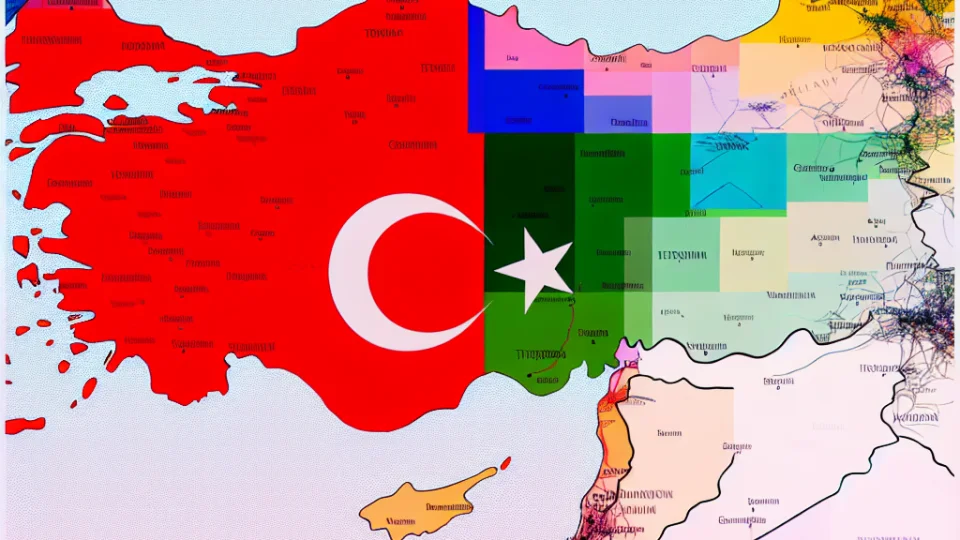
Turkey has been a crossroads of migration routes throughout history due to its geographical location. Today, immigrant communities living in Turkey have diverse cultural backgrounds and social structures. Immigrants from countries such as Syria, Afghanistan, and Iraq have significantly impacted Turkey's demographic composition. These communities have contributed to Turkey's cultural richness by interacting with the local population. Each community enriches the social fabric of Turkey with its own traditions and ways of life.
One of the most notable characteristics of immigrant communities in Turkey is their various ages and education levels. Among these communities are university graduates, working-class individuals, and those with refugee status. Their educational backgrounds directly affect their job opportunities and social integration processes. For instance, immigrants with higher education levels generally have better access to job opportunities, but they may face challenges such as language barriers. This situation also impacts the communities' participation in Turkey's economic life.
Moreover, immigrant communities in Turkey have a strong tendency for social solidarity and mutual assistance. Individuals from the same background often establish solidarity networks among themselves, facilitating their adaptation processes to their new lives. This solidarity provides significant advantages in areas such as accessing social services, finding jobs, and securing housing. Additionally, these communities enhance their social interactions both among themselves and with the local population by organizing their own cultural events.
The presence of immigrant communities in Turkey has also brought about cultural diversity. This has led to positive outcomes such as the enrichment of local cuisines and the emergence of new genres in fields like art and music. In various regions of Turkey, cultural events organized by immigrant communities are followed with interest by the local population. As a result, immigrant communities in Turkey are regarded not only as a demographic change but also as a source of cultural wealth.
Which Countries Have the Most Immigrants to Turkey?

Turkey has become an attractive destination for immigrants, especially in recent years. The reasons for this include Turkey's developing economy, strategic geographical location, and the diversity in its social structure. Among the countries with the highest immigration to Turkey are Syria, Afghanistan, Iraq, and Iran. The number of immigrants from these countries has increased due to ongoing civil wars and economic difficulties. Turkey stands out with the social services and living standards it offers to these immigrants.
Syria is the country with the highest immigration to Turkey. Millions of Syrians have sought refuge in Turkey due to the civil war that began in 2011. This situation is also related to the humanitarian responsibilities Turkey has taken on as a border neighbor. Immigrants from Syria have started to live in various cities, leading to significant changes in Turkey's demographic structure. Turkey is trying to cope with this crisis through the health, education, and housing services it provides to Syrians.
Immigrants from Afghanistan generally prefer Turkey for political and economic reasons. The instability in the country has caused many Afghans to turn to Turkey. Turkey not only serves as a transit point for these immigrants but also offers a permanent living space. Afghan immigrants mostly find jobs in large cities and strive to start a new life. Turkey is developing various programs aimed at the integration of Afghan immigrants during this process.
Immigrants from Iraq and Iran are also migrating to Turkey in significant numbers. The political uncertainty and internal conflicts in Iraq have led many Iraqis to seek refuge in Turkey. Additionally, immigrants from Iran typically turn to Turkey in search of economic opportunities. Turkey facilitates the establishment of a new life for immigrants from these countries through the economic opportunities and social services it provides. All these factors explain why Turkey is an attractive country for immigrants.
What is the Distribution of Immigrants in Turkey?

Turkey, while being a country that has hosted many cultures throughout its history, currently hosts various groups of immigrants. Especially in recent years, increasing migration movements have significantly affected the demographic structure in Turkey. In this context, the geographical distribution of immigrants in Turkey, the provinces where they are concentrated, and their living conditions provide important data regarding Turkey's socio-economic structure. Major cities like Istanbul, Ankara, and Izmir are among the places where immigrants live most densely.
Istanbul, as Turkey's most populous metropolis, is the city with the highest number of immigrants. Here, there are neighborhoods where Syrian, Afghan, and Iraqi immigrants are predominantly found. It has been observed that immigrants open businesses that reflect their own cultural backgrounds in various districts of Istanbul. This situation is considered a reflection of Istanbul's multicultural structure. Additionally, the abundance of economic opportunities encourages immigrants to settle more in this city.
Ankara, being the capital of Turkey, hosts many public institutions and international organizations. Therefore, this city is another place where immigrants live densely. Particularly, Syrian immigrants are concentrated in various regions of Ankara. The social structure of Ankara hosts various projects aimed at the integration of immigrants. These projects facilitate the adaptation of immigrants to the local community and enhance social cohesion.
Izmir, as the largest city in the Aegean Region, is another important center where immigrants reside. The formation of immigrant communities here has occurred especially due to refugees arriving by sea. Additionally, since Izmir is one of the centers of some humanitarian aid organizations in Turkey, various support programs are offered for immigrants. This situation helps immigrants participate more easily in social and economic life and assists in meeting their needs.
What Challenges Are Faced During the Migration Process?
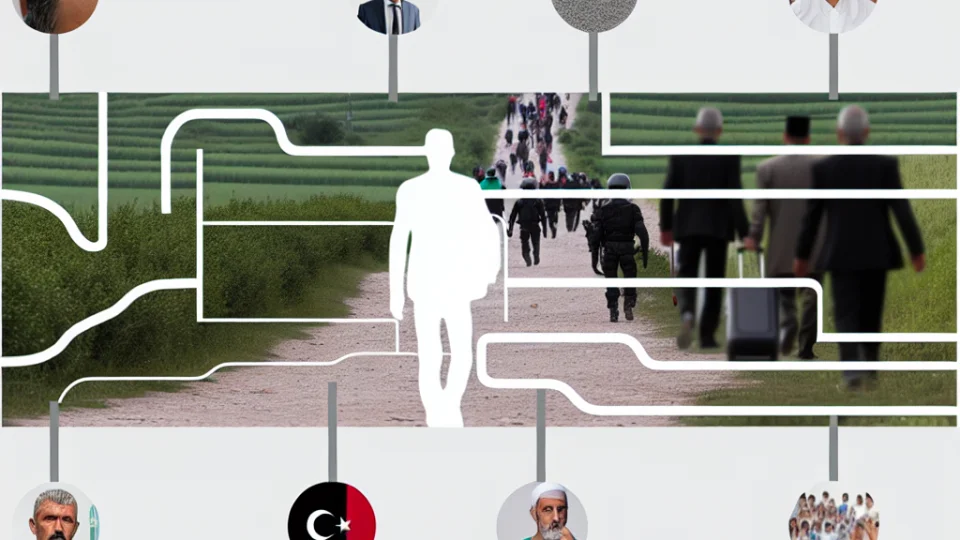
The migration process involves many challenges that individuals and families encounter while trying to settle in a new country. At the forefront of these challenges is the language barrier. Learning a new language is crucial for establishing social relationships and finding employment. Especially in a multilingual country like Turkey, the inability to communicate effectively can hinder immigrants' integration into society. The language barrier can cause serious issues not only in daily life but also during official procedures.
In addition, cultural differences pose a significant challenge for immigrants. Bridging different cultures can lead to conflicts between habits and value systems. Immigrants may wish to preserve their cultural backgrounds while also seeking acceptance in their new society. This situation can sometimes lead to social isolation; immigrants may feel lonely, which can result in psychological issues.
Another challenge is economic barriers. Many immigrants may struggle to find jobs in a new country. The job market in Turkey can vary based on the qualifications and experiences of immigrants. While some immigrants may find it difficult to secure jobs using their skills, others may have to work in low-paying positions. This situation complicates immigrants' ability to gain economic independence and integrate into society.
Finally, legal challenges also represent a significant obstacle. Immigrants may encounter complex bureaucratic processes to determine their legal status in Turkey. Lack of information on issues such as residence permits, work permits, and social security rights can further exacerbate the problems faced by immigrants. These legal uncertainties negatively affect immigrants' daily lives, making it more difficult for them to integrate into society.