What are the main ingredients of Turkish Delight?

The primary ingredients of Turkish Delight, known locally as 'lokum', are quite simple yet essential for achieving its unique texture and flavor. Firstly, sugar serves as the main sweetener, providing the essential sweetness that characterizes this confection. Additionally, water is added to the sugar, allowing it to dissolve and form a syrup. The combination of sugar and water is then boiled to create a thick, sugary mixture, which is the basis for Turkish Delight. This process is crucial in developing the desired consistency and mouthfeel of the final product.
Another essential component is cornstarch, which plays a pivotal role in achieving the characteristic chewy texture of Turkish Delight. Cornstarch is mixed with water and heated until it forms a gel-like consistency, which helps to stabilize the sugar syrup as it cools. This ingredient not only contributes to the chewy texture but also prevents the candied mixture from sticking together. The careful balance of sugar and cornstarch is vital in creating the perfect lokum, ensuring it has the right firmness without being overly tough or too soft.
Flavoring is also a critical aspect of Turkish Delight, as it comes in a variety of flavors, each adding its own distinct taste. Common flavorings include rosewater, lemon, and orange blossom, which are often infused into the sugar syrup during the cooking process. These flavorings contribute to the aromatic profile of the delight, making it not just a treat for the palate but also for the senses. It's this diversity in flavors that makes Turkish Delight so popular, allowing consumers to choose their favorites or even mix different flavors together.
Lastly, nuts such as pistachios, walnuts, or hazelnuts are frequently added to Turkish Delight, providing a delightful crunch and enhancing the overall flavor. These nuts are usually chopped and mixed into the lokum before it is poured into molds to set. The inclusion of nuts not only adds texture but also nutritional value, making the treat a more satisfying indulgence. The combination of sweet, chewy lokum with the crunch of nuts creates a unique experience that is both satisfying and memorable.
How is Turkish Delight traditionally made?
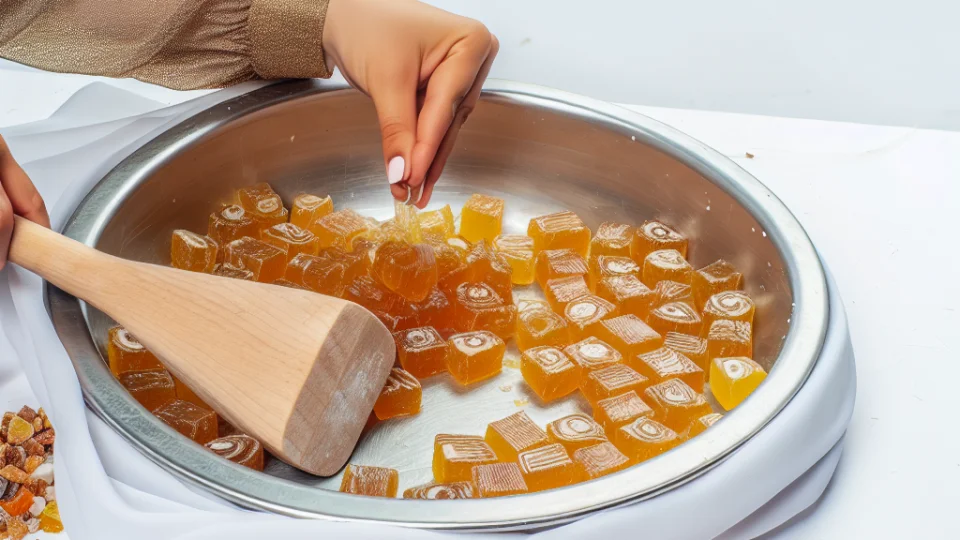
Turkish Delight, known as 'lokum' in Turkish, is traditionally made through a meticulous process that begins with combining sugar, water, and cornstarch. The mixture is cooked over low heat, allowing the ingredients to blend harmoniously. This step is crucial, as the right temperature and stirring technique will ultimately determine the final texture of the delight. Once the mixture reaches a thick consistency, it is essential to keep stirring to prevent any lumps from forming, ensuring a smooth, gel-like base that is characteristic of high-quality Turkish Delight.
After achieving the desired thickness, flavorings such as rosewater, citrus extracts, or mastic resin are added to the mixture. These flavorings not only enhance the taste but also contribute to the unique aroma that Turkish Delight is known for. It is during this phase that colorants can also be introduced, giving the treat its vibrant hues. After flavoring, the mixture is poured into a mold, typically lined with a layer of cornstarch or powdered sugar to prevent sticking, which is vital for easy removal later.
Once the mixture is set in the mold, it needs to cool and solidify for several hours, or even overnight, depending on the desired firmness. After cooling, the Turkish Delight is cut into bite-sized cubes and generously dusted with powdered sugar or cornstarch. This coating not only adds flavor but also helps to prevent the pieces from sticking together. The final product is then packaged and presented, often in decorative boxes, making it a popular gift item in Turkey and beyond, celebrated for its delightful taste and texture.
It is important to note that traditional Turkish Delight making is an art that has been passed down through generations. Many families have their own secret recipes and techniques that they cherish. Moreover, regional variations exist, with some areas adding nuts or dried fruits, while others may incorporate unique spices. This diversity in preparation reflects the rich cultural heritage of Turkey, making each piece of Turkish Delight a tasty representation of its history and tradition.
What flavors are popular in Turkish Delight?
One of the most popular flavors of Turkish Delight is rose, which is often infused with real rosewater and has a distinctly floral aroma. This flavor is deeply rooted in Turkish culture and is traditionally enjoyed during special occasions and celebrations. The delicate sweetness of rose Turkish Delight provides a unique taste experience, making it a favorite among both locals and tourists. Additionally, the vibrant pink color of this variety adds to its visual appeal, enhancing its desirability as a gift or dessert.
Another widely appreciated flavor is pistachio, which brings a rich, nutty taste to the confection. The combination of chewy gelatinous sweetness and crunchy pistachio nuts creates a delightful contrast that many find irresistible. This flavor is often considered a premium option and is frequently found in artisanal Turkish Delight brands. The presence of pistachios not only enhances the flavor but also contributes to the nutritional value, as they are a good source of healthy fats and proteins.
Mint is also a refreshing and popular flavor choice, especially during the hot summer months. The coolness of mint complements the sweetness of the Turkish Delight, providing a unique and invigorating taste. This flavor often appeals to those who prefer a less traditional option, as it offers a modern twist on the classic confection. Additionally, mint-flavored Turkish Delight can be a delightful palate cleanser, making it a great accompaniment to meals or a refreshing treat on its own.
Lastly, citrus flavors such as lemon and orange have gained popularity in recent years. These flavors add a zesty brightness to the traditional sweetness of Turkish Delight, offering a refreshing alternative for those who enjoy tangy confections. Citrus-infused varieties are particularly popular among younger consumers looking for innovative flavors that move away from classic options. The combination of sweet and tart creates a balanced flavor profile that is both satisfying and exciting, appealing to a diverse audience.
What is the history of Turkish Delight in Turkey?
The history of Turkish Delight, known as 'lokum' in Turkey, dates back to the Ottoman Empire in the 15th century. Initially, it was a luxurious treat enjoyed by the sultans and the elite class. The confectionery was made with simple ingredients like sugar and starch, but the recipes evolved over the centuries to include various flavors and textures. By the 19th century, Turkish Delight had become popular among the general public, and many variations began to emerge across different regions of Turkey.
During the Ottoman period, Turkish Delight was often served to guests as a symbol of hospitality. The confection was not just a dessert but also a way to demonstrate wealth and social standing. The tradition of offering lokum to visitors continues to this day, reflecting Turkish culture's strong emphasis on hospitality. Over the years, the production methods have been refined, leading to the creation of more sophisticated flavors and presentations that appeal to modern tastes.
In the 20th century, as Turkey opened up to the world, Turkish Delight began to gain international recognition. It became a popular souvenir for tourists, often packaged in decorative boxes. This increase in popularity prompted many local artisans and companies to innovate, experimenting with ingredients and flavors that appealed to both local and foreign palates. Today, it is not uncommon to find unique varieties, such as those infused with nuts, fruits, or even spices.
Today, Turkish Delight is considered a staple of Turkish culture and cuisine. It is enjoyed not only in Turkey but also around the globe, making it one of the country's most beloved desserts. The rich history behind this confection is a testament to Turkey's culinary heritage, reflecting the influences of various cultures throughout the centuries. As Turkey continues to modernize, the tradition of making and enjoying lokum remains a cherished practice, ensuring that its history is preserved for future generations.
How is Turkish Delight commonly served or eaten?
Turkish Delight, known as 'lokum' in Turkish, is typically served in small, bite-sized cubes. These delightful pieces are often dusted with powdered sugar or desiccated coconut to prevent them from sticking together. When served, they are usually placed in decorative bowls or on elegant trays, reflecting the rich cultural heritage of Turkey. This presentation not only makes the lokum visually appealing but also enhances the overall experience of enjoying this traditional sweet.
In many Turkish households, Turkish Delight is enjoyed during special occasions, celebrations, and gatherings. It is common to offer lokum to guests as a sign of hospitality, often accompanied by Turkish coffee or tea. The sweetness of the delight complements the bitterness of the coffee, creating a harmonious balance that is cherished by many. This ritual showcases the deep-rooted customs that highlight the importance of sharing sweets in Turkish culture.
Another popular way to enjoy Turkish Delight is by incorporating it into desserts or using it as a topping. For instance, it can be chopped and sprinkled over ice cream or served alongside fresh fruits. This versatility allows Turkish Delight to be more than just a standalone treat; it can elevate the flavors of various dishes. Many people also enjoy it with nuts, enhancing the texture and offering a delightful crunch that contrasts with the chewy nature of the lokum.
In addition to traditional serving methods, modern variations of Turkish Delight have emerged, especially in international markets. It is not uncommon to find gourmet versions infused with exotic flavors, such as rosewater, pomegranate, or even chocolate-covered options. These innovations cater to diverse palates and have made Turkish Delight a global phenomenon. Regardless of how it is served, whether in its classic form or as a contemporary dessert, Turkish Delight remains a beloved treat that continues to enchant people around the world.
Are there any health benefits of Turkish Delight?
Turkish Delight, known as lokum in Turkish, is a traditional confectionery that not only satisfies sweet cravings but also offers some surprising health benefits. One of the primary ingredients, sugar, provides a quick energy boost, making it a popular choice for those needing an instant pick-me-up. Additionally, Turkish Delight often contains nuts such as pistachios or walnuts, which are rich in healthy fats, proteins, and essential vitamins. These nuts contribute to overall heart health and can help maintain a balanced diet when consumed in moderation.
Moreover, Turkish Delight can be a source of antioxidants, particularly when flavored with natural ingredients like rosewater or citrus fruits. These antioxidants help combat oxidative stress in the body, which is linked to various chronic diseases. The presence of natural flavors not only enhances the taste but also adds potential health benefits, such as improving skin health and promoting hydration. Therefore, indulging in this sweet treat can be more than just a guilty pleasure; it can also contribute positively to your well-being.
However, it is important to consume Turkish Delight in moderation due to its high sugar content. Excessive sugar intake can lead to health issues such as weight gain, diabetes, and dental problems. For those looking for healthier alternatives, many manufacturers now offer sugar-free versions made with natural sweeteners. These options allow individuals to enjoy the unique flavors and textures of Turkish Delight without the added sugars, making it a more health-conscious choice.
Finally, the social aspect of sharing Turkish Delight can also contribute to mental health benefits. Enjoying sweets with friends and family fosters connections and positive interactions, which are crucial for emotional well-being. Thus, while indulging in Turkish Delight, one can benefit from both its physical attributes and the joy it brings during social gatherings. This multifaceted treat serves as a delightful reminder that sometimes, indulging in tradition can also be good for both the body and the soul.
Where can you buy authentic Turkish Delight in Turkey?
When it comes to buying authentic Turkish Delight in Turkey, one of the best places to start is in Istanbul. The city's vibrant streets are lined with traditional sweet shops, many of which have been in business for generations. These shops offer a wide variety of flavors, from classic rose and lemon to more adventurous options like pistachio and pomegranate. A visit to the Grand Bazaar, one of the largest and oldest covered markets in the world, is a must for any sweet lover. Here, you'll find numerous stalls selling freshly made Turkish Delight, often packaged beautifully, making it an ideal gift.
Another great location to find authentic Turkish Delight is in Gaziantep, a city renowned for its culinary heritage. Gaziantep is considered the birthplace of Turkish Delight, and its local manufacturers pride themselves on using age-old recipes and high-quality ingredients. When you visit, be sure to check out local shops like 'Kozanoglu' or 'Imam Cagdas,' where you can sample and purchase delicious varieties of this traditional sweet. The experience of tasting Turkish Delight in its hometown adds a unique flavor to the overall experience.
In addition to Istanbul and Gaziantep, many other cities in Turkey also have excellent sweet shops. For instance, in Izmir, you can find authentic Turkish Delight in the historic Kemeralti Bazaar. This bustling market is filled with shops offering not just Turkish Delight but a wide array of other local sweets. Shopping here not only provides an opportunity to buy delicious treats but also allows you to immerse yourself in the local culture and atmosphere. Don't forget to ask the shopkeepers for recommendations!
Online shopping has also become a popular option for those wanting to enjoy authentic Turkish Delight without traveling. Many reputable Turkish confectioners offer shipping worldwide, allowing you to order your favorite flavors from the comfort of your home. Websites often provide detailed descriptions of their products, including ingredients and flavor profiles, ensuring you can choose the best options for your taste. However, for the most authentic experience, nothing beats buying Turkish Delight directly from local shops during your travels in Turkey.