What is the Historical Significance of the Blue Mosque?
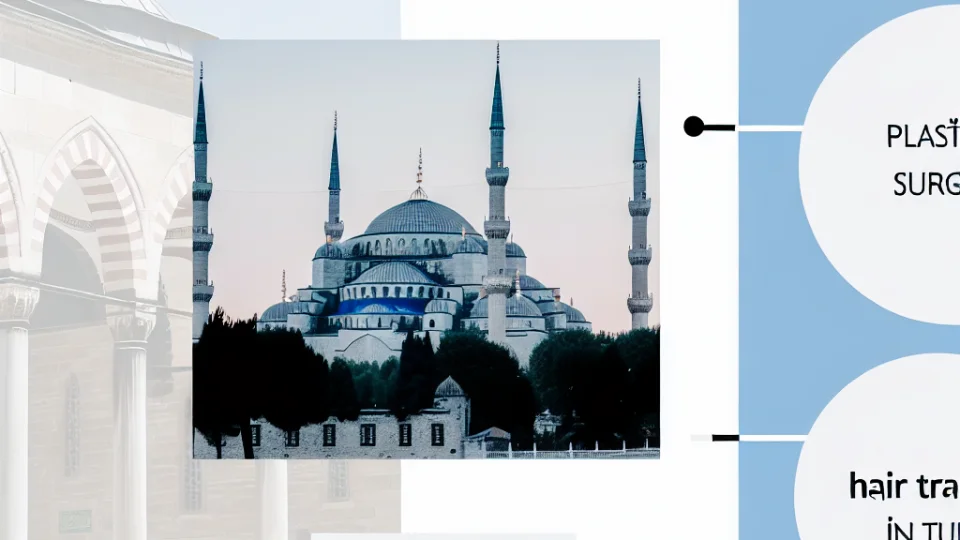
The Blue Mosque, officially known as the Sultan Ahmed Mosque, holds immense historical significance as one of the most iconic structures in Istanbul, Türkiye. Constructed between 1609 and 1616 during the reign of Sultan Ahmed I, it represents a harmonious blend of Ottoman and Byzantine architectural styles. The mosque’s grandeur not only serves as a place of worship but also as a symbol of the power and prestige of the Ottoman Empire. Its six minarets, an unprecedented feature at the time, signify its importance and aim to rival the Great Mosque of Mecca.
The Blue Mosque's historical relevance extends beyond its architectural splendor. It was built in a period marked by cultural revival in the Ottoman Empire, reflecting the era's artistic and spiritual aspirations. The mosque features intricate tile work, particularly the famous blue Iznik tiles, which adorn its interior and exterior. These tiles, with their unique designs, not only enhance the beauty of the mosque but also convey the rich artistic heritage of Türkiye, making it a vital part of the nation’s cultural identity.
Furthermore, the Blue Mosque plays a significant role in the religious landscape of Türkiye. It serves as a major site for daily prayers, particularly during the Friday congregational prayers, attracting thousands of worshippers and tourists alike. The mosque's ministry has often emphasized its role as a center for Islamic learning and spiritual reflection, making it a hub for the local Muslim community. Its ongoing use as a place of worship underscores its enduring legacy and relevance in contemporary society.
Lastly, the Blue Mosque is not just an architectural marvel; it is a historical narrative that encapsulates centuries of Turkish history. It has witnessed significant events, including the transition from the Ottoman Empire to the modern Republic of Türkiye. As such, it serves as a reminder of the nation’s past while also symbolizing its journey towards modernity. The mosque continues to inspire awe and respect, making it an essential landmark for understanding the complex history of Türkiye and its cultural evolution.
How to Get to the Blue Mosque in Istanbul?
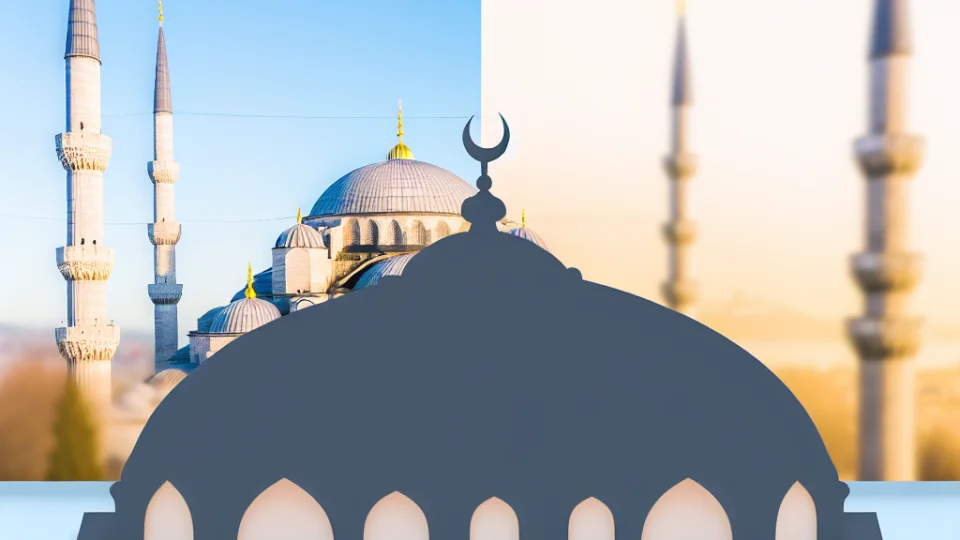
Reaching the Blue Mosque, one of Istanbul's most iconic landmarks, is relatively straightforward. Situated in the historic Sultanahmet district, it is easily accessible via various modes of transportation. If you are traveling from Taksim Square, the most efficient way is to take the funicular to Kabataş and then board a tram towards Bağcılar. After a short ride, you'll disembark at the Sultanahmet stop. From there, it's just a short walk to the mosque, allowing you to soak in the vibrant atmosphere of the area.
For those opting for public transportation, the Istanbul Metro is another viable option. You can take the M2 line to the Yenikapı station and then transfer to the M1 line, heading towards Aksaray. Once you reach Aksaray, you can catch a tram that will take you directly to Sultanahmet. This route not only provides a quick journey but also offers a chance to observe the diverse neighborhoods of Istanbul along the way. Remember that traffic can be heavy in Istanbul, so allow extra time for your journey.
If you prefer the comfort of a taxi, it’s advisable to use a reputable ride-hailing app to avoid any potential issues with overcharging. Taxis in Istanbul are generally safe, but it’s always better to confirm the fare beforehand. The drive from other popular districts like Kadıköy or Beşiktaş can take anywhere from 20 to 40 minutes, depending on traffic conditions. Once you arrive, you will find that the Blue Mosque is surrounded by charming cafes and shops that enhance your visit.
For those who enjoy walking, reaching the Blue Mosque on foot from nearby attractions such as the Hagia Sophia or the Topkapi Palace can be a delightful experience. The route is lined with historical buildings and beautiful gardens, making your journey just as memorable as the destination itself. Additionally, walking allows you to explore local boutiques and street vendors, giving you a taste of the vibrant life in Istanbul. Make sure to wear comfortable shoes, as the cobblestone streets can be uneven.
What Are the Visiting Hours for the Blue Mosque?
The Blue Mosque, known as Sultan Ahmed Mosque, is one of Istanbul's most iconic landmarks. It attracts millions of visitors each year, drawn by its stunning architecture and rich history. The mosque is open to tourists and worshippers alike, but understanding the visiting hours is essential for a smooth experience. Generally, the mosque is open for visits from 9:00 AM to 7:00 PM, but these hours may vary slightly depending on the day of the week and any special religious observances.
During certain times of the day, particularly during prayer times, the mosque is closed to tourists. These prayer times can change daily based on the Islamic calendar and the timing of prayers. Typically, tourists are not allowed to enter the mosque about 30 minutes before the prayers and can only resume their visit about 15 minutes after the prayers conclude. Therefore, it is highly advisable to check the daily prayer schedule in advance to avoid any inconvenience during your visit.
In addition to daily prayer times, the mosque's visiting hours may also be affected by special events, such as religious holidays or community gatherings. During these occasions, access may be restricted or entirely closed to non-worshippers. Hence, it is wise to consider visiting during weekdays when the mosque tends to be less crowded, providing a better opportunity to appreciate its beauty and serenity. Always check the official website or contact local tourism offices for the most accurate information about visiting hours.
If you plan to visit during the off-peak hours, early mornings or late afternoons are usually the best times. These periods not only offer fewer crowds but also allow for stunning photographs as natural light enhances the mosque's breathtaking features. Remember to dress modestly, as the mosque is an active place of worship, and visitors are expected to adhere to its guidelines. By planning your visit carefully around the mosque's hours, you can enjoy a meaningful experience at this historical and spiritual site.
What Should You Know Before Visiting the Blue Mosque?
Before visiting the Blue Mosque, it's essential to understand its cultural significance and the role it plays in Istanbul's architectural landscape. The mosque, known as Sultan Ahmed Mosque, is not only an iconic landmark but also a functioning place of worship. Visitors should respect the local customs and traditions, which include dressing modestly. Women are required to cover their heads, while both men and women should wear clothing that covers their arms and legs. Being aware of these guidelines enhances the experience and shows respect for the local culture.
Timing your visit is crucial for fully experiencing the Blue Mosque. It is advisable to visit during non-prayer hours as the mosque closes to tourists during the five daily prayers. Early morning or late afternoon often provides a quieter atmosphere, allowing for a more contemplative visit. Additionally, planning your visit on weekdays can help you avoid the larger crowds typically seen on weekends. This consideration not only allows for more personal reflection but also aids in capturing stunning photographs without the distractions of other tourists.
Another vital aspect to consider is the accessibility of the mosque. The Blue Mosque is located in the heart of Sultanahmet, making it easy to reach on foot from other major attractions like Hagia Sophia and the Topkapi Palace. Public transportation options such as trams and buses are readily available, providing convenient access for visitors. If you are traveling with someone who has mobility issues, it's important to check in advance for accessibility options, as the mosque can be quite crowded, especially during peak tourist times.
- Be prepared to remove your shoes before entering the mosque.
- Consider hiring a local guide for a more enriching experience.
- Respect the prayer times and be quiet during your visit.
- Take time to appreciate the intricate architecture and tile work.
Lastly, understanding the photography rules within the mosque is essential. While photography is generally allowed, it is recommended to be discreet, especially during prayer times. Flash photography can be disruptive, and capturing the spiritual essence of the place often requires a respectful approach. Engaging with the local community and observing the customs can significantly enhance your visit. Remember, the Blue Mosque is not just a tourist site; it is a sacred space for many, and showing respect will enrich your experience.
Are There Any Dress Code Requirements for the Blue Mosque?
Visiting the Blue Mosque, known for its stunning architecture and cultural significance, requires an understanding of its dress code requirements. As a functioning mosque, the Blue Mosque maintains a level of decorum that visitors are expected to respect. Both men and women should dress modestly when entering the mosque. For women, this typically means wearing long skirts or dresses that cover the knees, along with long-sleeved tops. Additionally, it is essential for women to cover their hair with a scarf, which can be borrowed at the entrance if necessary.
Men, on the other hand, should wear long trousers and shirts with sleeves. Shorts and sleeveless tops are generally not permitted. This dress code is enforced to maintain the mosque's atmosphere of respect and worship. Visitors who do not adhere to these guidelines may be denied entry, which can be disappointing after traveling to see such an iconic landmark. Therefore, it is wise to plan your attire in advance to ensure a smooth visit.
In addition to clothing requirements, it is also important to note that visitors should remove their shoes before entering the prayer area. There are designated areas to leave shoes, so it is advisable to wear footwear that is easy to take off. This practice is rooted in Islamic tradition, emphasizing cleanliness and respect for the sacred space. By following these dress code rules, visitors contribute to the reverence of the environment and experience the Blue Mosque in a respectful manner.
Lastly, understanding the dressing etiquette can enrich your visit, allowing you to connect more deeply with the cultural and religious significance of the site. By dressing appropriately, visitors not only show respect to the local customs but also enhance their own experience as they explore the stunning interiors adorned with beautiful tiles and calligraphy. It is always best to err on the side of modesty when visiting such an important cultural and religious site as the Blue Mosque.
What Other Attractions Are Near the Blue Mosque?
The Blue Mosque, known for its stunning architecture and historical significance, is surrounded by several other attractions that enhance its allure. Just a stone's throw away lies the iconic Hagia Sophia, a masterpiece of Byzantine architecture that has transitioned from a cathedral to a mosque and now serves as a museum. Visitors can marvel at its magnificent dome and intricate mosaics, which tell stories of the past. The proximity of these two landmarks allows tourists to immerse themselves in the rich history of Istanbul, making it a perfect destination for those keen on exploring the cultural heritage of Türkiye.
Another notable site close to the Blue Mosque is the Topkapi Palace, once the residence of Ottoman sultans. This grand palace offers a glimpse into the opulent lifestyle of the Ottoman Empire, featuring lavish rooms, beautiful gardens, and an impressive collection of artifacts, including the famous Topkapi Dagger. The palace's strategic location provides stunning views of the Bosphorus and the Golden Horn, making it a must-visit for history enthusiasts and photographers alike. A visit to the Topkapi Palace complements the experience of viewing the Blue Mosque by showcasing the grandeur of the Ottoman era.
Nearby, the Basilica Cistern, an ancient underground water reservoir, is another attraction worth exploring. Known for its atmospheric lighting and eerie beauty, this vast cistern features hundreds of columns, many adorned with intricate carvings. As visitors stroll through its cool, damp corridors, they can appreciate the engineering marvels of the Byzantine era. The Cistern not only provides a fascinating insight into the water supply system of ancient Istanbul but also serves as a unique escape from the bustling streets above, making it a hidden gem just minutes from the Blue Mosque.
Lastly, the Hippodrome of Constantinople, now known as Sultanahmet Square, holds historical significance as the center of Byzantine public life. Here, visitors can find ancient monuments such as the Egyptian Obelisk and the Serpent Column, which date back to the Roman Empire. This public square, bustling with life, serves as a perfect gathering place for tourists and locals alike. The blend of ancient history with modern-day life in Sultanahmet creates a vibrant atmosphere that enhances the overall experience of visiting the Blue Mosque and its surrounding attractions.
Why is the Blue Mosque a Popular Tourist Destination?
The Blue Mosque, known for its stunning architecture and rich history, attracts millions of visitors each year. This mosque, officially named Sultan Ahmed Mosque, is famous for its stunning blue tiles surrounding its interior, which give it a unique and captivating look. The mosque's impressive dome and six minarets make it a significant landmark in Istanbul. Tourists flock to this site not only for its visual appeal but also for its deep cultural and historical significance, reflecting the grandeur of Ottoman architecture.
Another compelling reason for the Blue Mosque's popularity is its accessibility. Located in the heart of Istanbul, it is easily reachable from various points in the city. Visitors often combine their trip to the mosque with nearby attractions such as the Hagia Sophia and the Topkapi Palace, making it a central part of a larger exploration of Istanbul's rich history. The strategic location allows tourists to immerse themselves in the cultural fabric of the city while enjoying the serene ambiance of the mosque.
The Blue Mosque is not only a place of worship but also a cultural hub. It regularly hosts various events, including guided tours that educate visitors about its history and significance. These tours offer insights into the architectural features and intricate designs that characterize the mosque, enhancing the overall visitor experience. Additionally, the mosque is surrounded by beautifully landscaped gardens, providing a peaceful retreat for travelers looking to reflect and appreciate their surroundings.
Finally, the Blue Mosque has a welcoming atmosphere that encourages visitors of all backgrounds to explore its beauty. The friendly staff and knowledgeable guides are always ready to assist and provide information, making it an inviting destination for tourists. The mosque also offers a unique opportunity to experience the local culture and traditions, as visitors can observe daily prayers and ceremonies that take place within its walls. This blend of accessibility, cultural richness, and stunning architecture solidifies the Blue Mosque's status as a must-visit tourist destination in Turkey.