What is the Historical Significance of the Suleymaniye Mosque?
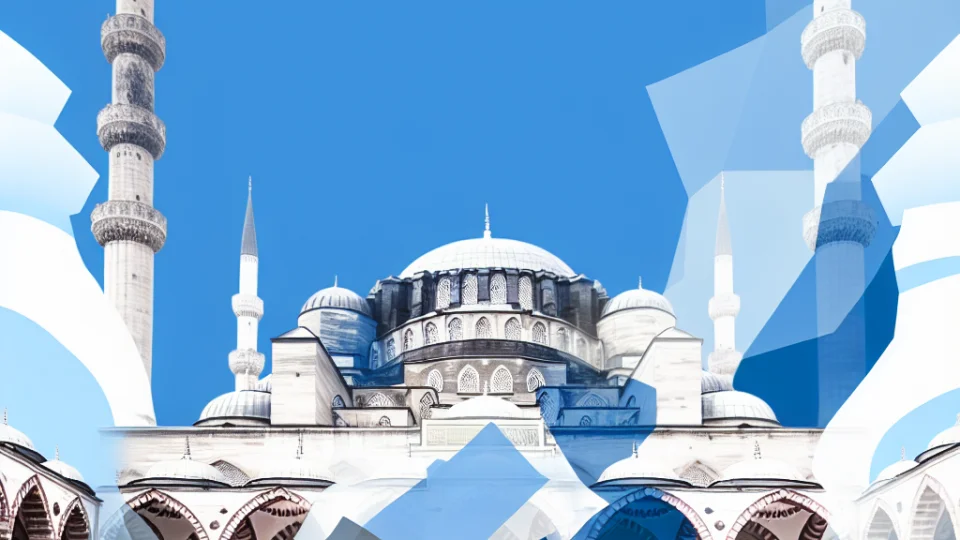
The Suleymaniye Mosque, constructed between 1550 and 1557, stands as a testament to the architectural brilliance of the Ottoman Empire. Commissioned by Sultan Suleiman the Magnificent, this mosque is not only a place of worship but also a significant cultural and historical landmark in Istanbul. Its design, created by the renowned architect Mimar Sinan, reflects the peak of Ottoman architectural achievement. The mosque’s imposing dome and elegant minarets symbolize the power and sophistication of the empire during its zenith.
Beyond its architectural grandeur, the Suleymaniye Mosque serves as a representation of Islamic art and culture. The intricate tile work and calligraphy found within the mosque showcase the artistic styles of the period, illustrating how the Ottomans merged functionality with aesthetic beauty. This mosque, being one of the largest in Turkey, also plays a pivotal role in the spiritual life of the Muslim community, serving as a center for education and religious gatherings throughout its history.
The mosque complex includes not just the main prayer hall, but also a medrese (Islamic school), a hospital, and a caravanserai, making it a vital center for social and educational activities. This multifunctionality highlights the mosque's role in the community, providing services beyond religious practices. The Suleymaniye Mosque thus reflects the holistic approach of the Ottomans towards architecture, where buildings served multiple purposes and fostered community life.
In addition to its architectural and cultural significance, the Suleymaniye Mosque holds historical importance as it has witnessed key events in Turkish history. From the time of its construction to the present day, it has remained a symbol of resilience and faith. The mosque has survived numerous challenges, including natural disasters and political changes, yet it continues to attract thousands of visitors each year, making it a living piece of Turkey's rich heritage.
How to Get to the Suleymaniye Mosque in Istanbul?

Getting to the Suleymaniye Mosque in Istanbul is relatively straightforward, thanks to the city's well-connected public transportation system. The mosque is located in the Fatih district, which is a central area easily accessible by various means. To begin your journey, you can opt for the tram system, which is a popular choice among both locals and tourists. The nearest tram station is 'Laleli-Üniversite,' where you can catch a tram heading towards Zeytinburnu. After getting off at the 'Sultanahmet' stop, it's just a short walk to the mosque.
Another convenient option is to use the metro system. The 'Vezneciler' metro station is also quite close to the Suleymaniye Mosque. From there, you can walk down to the mosque, enjoying the vibrant atmosphere of the city along the way. If you're feeling adventurous, consider taking a taxi or a ride-sharing service, which can drop you off right at the mosque's entrance. This option is particularly useful if you're traveling with a group or have limited mobility.
For those who prefer a more scenic route, walking is an excellent way to reach the mosque. The surrounding area is filled with charming streets and historic sites, providing a rich cultural experience as you make your way. The walk from the Sultanahmet area to the Suleymaniye Mosque takes about 15-20 minutes, depending on your pace. Along the way, you can explore various local shops and cafés, offering a taste of Istanbul's vibrant street life.
Lastly, if you're staying in nearby neighborhoods, you may also consider renting a bicycle or using a scooter. Several bike-sharing programs are available throughout Istanbul, allowing you to navigate the city at your own pace. This method not only gives you the flexibility to explore but also provides a unique perspective on Istanbul's stunning architecture and bustling streets. Regardless of how you choose to travel, reaching the Suleymaniye Mosque will undoubtedly be a memorable part of your visit.
What are the Architectural Features of the Suleymaniye Mosque?
The Suleymaniye Mosque, an iconic structure of Istanbul, is renowned for its magnificent architectural design that blends traditional Islamic elements with Byzantine influences. Designed by the famous architect Mimar Sinan in the 16th century, the mosque features a large central dome that rises majestically, symbolizing the heavens. The dome is flanked by smaller semi-domes, creating a harmonious balance and providing a visually stunning silhouette against the Istanbul skyline. The interior of the mosque is equally impressive, adorned with intricate tile work and calligraphy that reflect the exquisite artistry of the Ottoman Empire.
One of the striking features of the Suleymaniye Mosque is its extensive use of light. The mosque is designed to allow natural light to flood its interior through a series of large stained glass windows. This illumination enhances the beauty of the interior decorations and contributes to a serene atmosphere conducive to worship. Additionally, the mosque's layout is strategically oriented to ensure that the prayer space is both functional and spiritually uplifting. The careful arrangement of columns and arches creates a sense of openness and grandeur that is a hallmark of Ottoman mosque architecture.
The mosque complex, or 'külliye', includes not just the prayer hall but also several other buildings that serve various community functions. Among these are a medrese (theological school), a hospital, and a public kitchen. This multifunctional aspect illustrates the mosque's role as a center of community life in the Ottoman era. The carefully planned layout of the complex reflects the Ottoman understanding of architecture as not just a physical structure but as a social institution that supports the well-being of its community. The surrounding gardens further enhance this atmosphere, providing a peaceful retreat amidst the bustling city.
The Suleymaniye Mosque also showcases the engineering prowess of its time through its use of innovative construction techniques. The mosque's massive dome is supported by a series of arches and buttresses that distribute the weight evenly, allowing for such a grand scale. Mimar Sinan's understanding of structural integrity is evident in the way the mosque has withstood the test of time, surviving numerous earthquakes and remaining a vital part of Istanbul's architectural heritage. These engineering innovations not only made the mosque a stunning visual landmark but also ensured its durability and functionality for future generations.
What to Expect When Visiting the Suleymaniye Mosque?
Visiting the Suleymaniye Mosque offers a unique opportunity to experience the rich history and stunning architecture of Istanbul. Upon entering, you will be greeted by magnificent marble and intricate tile work that reflect the artistic mastery of the Ottoman Empire. The mosque, built during the reign of Suleiman the Magnificent, is not just a place of worship but also a landmark that encapsulates the essence of Turkish culture. Visitors should anticipate a serene atmosphere, perfect for reflection and appreciation of the intricate design and craftsmanship that went into the building.
- Respectful attire is required: visitors should dress modestly.
- Photography is allowed, but be mindful of worshippers.
- Guided tours are available for those wanting deeper insights.
As you explore the interior, take a moment to appreciate the vast dome that soars above, adorned with beautiful calligraphy and stunning stained glass windows. The acoustics of the mosque enhance the experience, particularly during the call to prayer, when the sound reverberates beautifully. Additionally, the surrounding gardens provide a peaceful refuge for visitors after exploring the mosque. Expect to see both tourists and locals, as the mosque serves as both a historical site and a functioning center of worship, creating a vibrant atmosphere filled with diverse experiences.
When visiting the Suleymaniye Mosque, consider planning your trip during non-peak hours to fully enjoy the tranquility of the space. Early mornings or late afternoons can offer a less crowded experience, allowing for a more personal encounter with the surroundings. Additionally, be prepared for security checks, as they are standard for major attractions in Istanbul. Engaging with the local guides can provide valuable insights into the mosque's history, architecture, and significance in the broader context of Istanbul's cultural heritage, enriching your overall visit.
Are There Any Special Events at the Suleymaniye Mosque?
The Suleymaniye Mosque, a historic landmark in Istanbul, is not only a marvel of architecture but also a hub for various religious and cultural events. Throughout the year, the mosque hosts special events that attract both locals and tourists. One of the most notable events is the Ramadan prayers, where thousands gather to break their fast together. The atmosphere is filled with spirituality and community, making it a unique experience for attendees.
In addition to Ramadan, the mosque also celebrates significant Islamic holidays such as Eid al-Fitr and Eid al-Adha. During these times, the mosque fills with worshippers who come to participate in the special prayers conducted by the imam. These events are characterized by a sense of unity and solemnity, drawing in crowds who wish to partake in the spiritual ambiance of this magnificent structure. Attending these events can provide insights into the religious practices of the local Muslim community.
Cultural events are also held at the Suleymaniye Mosque, showcasing the rich heritage of Turkish Islamic culture. Concerts featuring traditional music and art exhibitions are organized periodically, providing a platform for artists to express their creativity within the sacred walls of the mosque. These events not only celebrate the artistic endeavors of the community but also encourage intercultural dialogue and understanding among visitors from diverse backgrounds.
Moreover, the mosque often serves as a venue for educational programs and lectures focusing on various aspects of Islamic theology and history. These events aim to educate both locals and tourists about the significance of the mosque and its role in the cultural landscape of Istanbul. Participants can engage with knowledgeable speakers and gain a deeper understanding of the mosque's historical context and ongoing relevance in contemporary society.
What Nearby Attractions Can You Visit?
When visiting the Suleymaniye Mosque, one cannot miss the surrounding attractions that add to the historical and cultural richness of the area. Just a short walk away is the Grand Bazaar, one of the largest and oldest covered markets in the world. This bustling marketplace offers a vibrant atmosphere, with thousands of shops selling everything from spices to textiles. Exploring the bazaar provides visitors with a unique opportunity to experience local culture and shop for authentic Turkish souvenirs.
Another remarkable site nearby is the Rüstem Pasha Mosque, renowned for its exquisite tile work and intricate designs. This smaller mosque, built in the 16th century, is often less crowded than the Suleymaniye Mosque, allowing for a more intimate experience. Visitors can admire the stunning Iznik tiles that adorn the walls, depicting floral and geometric patterns that reflect the artistry of the Ottoman era. The peaceful ambiance makes it a perfect spot for quiet reflection.
For those interested in history, the Topkapi Palace is just a short distance away. Once the residence of Ottoman sultans, this expansive palace complex offers insights into the opulent lifestyle of the empire. Visitors can explore the various sections, including the Harem, treasury, and royal gardens. The palace also boasts stunning views of the Bosphorus, making it a must-visit for anyone exploring the historical heart of Istanbul.
Lastly, the Spice Bazaar, also known as the Egyptian Bazaar, is a delightful destination for food lovers. Here, visitors can immerse themselves in the aromatic world of spices, herbs, and dried fruits. The vibrant colors and enticing smells create a sensory experience unlike any other. Sampling local delicacies and purchasing unique ingredients to take home can be a highlight of your visit to this enchanting bazaar. It’s an excellent way to engage with the culinary heritage of Turkey.
What is the Best Time to Visit the Suleymaniye Mosque?
The best time to visit the Suleymaniye Mosque is generally during the spring and fall seasons. These periods offer mild weather, making it comfortable for tourists to explore the mosque and its surrounding areas. Specifically, from April to June and September to November, visitors can enjoy pleasant temperatures and fewer crowds compared to the peak summer months. During these times, the beauty of the mosque is enhanced by the blooming flowers in the gardens, creating a picturesque setting that is perfect for photography.
Visiting during weekdays can also provide a more serene experience. The weekends tend to attract larger crowds, especially among locals and tourists alike. By planning your visit on a weekday, you can appreciate the intricate details of the mosque’s architecture without the rush. This tranquility allows for a deeper connection with the spiritual ambiance of the mosque, enhancing your overall experience. Additionally, early morning visits can offer a unique opportunity to witness the sunrise illuminating the mosque's stunning dome.
- Visit during spring (April to June) for blooming flowers.
- Fall (September to November) offers mild weather.
- Weekdays are less crowded than weekends.
- Early mornings provide beautiful sunrise views.
It's also important to consider special events and religious observances when planning your visit. During Ramadan, for instance, the mosque may host special prayers and activities that can attract more visitors. If you're interested in experiencing local traditions, visiting during this month might be worthwhile. However, be prepared for increased foot traffic and plan accordingly. Overall, selecting the right time to visit the Suleymaniye Mosque can significantly enhance your experience, allowing you to appreciate its historical and architectural significance fully.